
As you explore Minecraft, you’ll come across numerous biomes filled with different features and resources. Some classic biomes are the Plains, Caves, Deserts, and Oceans. But there are also underrated biomes such as Mangrove Swamps, Cherry Groves, and the Groves.
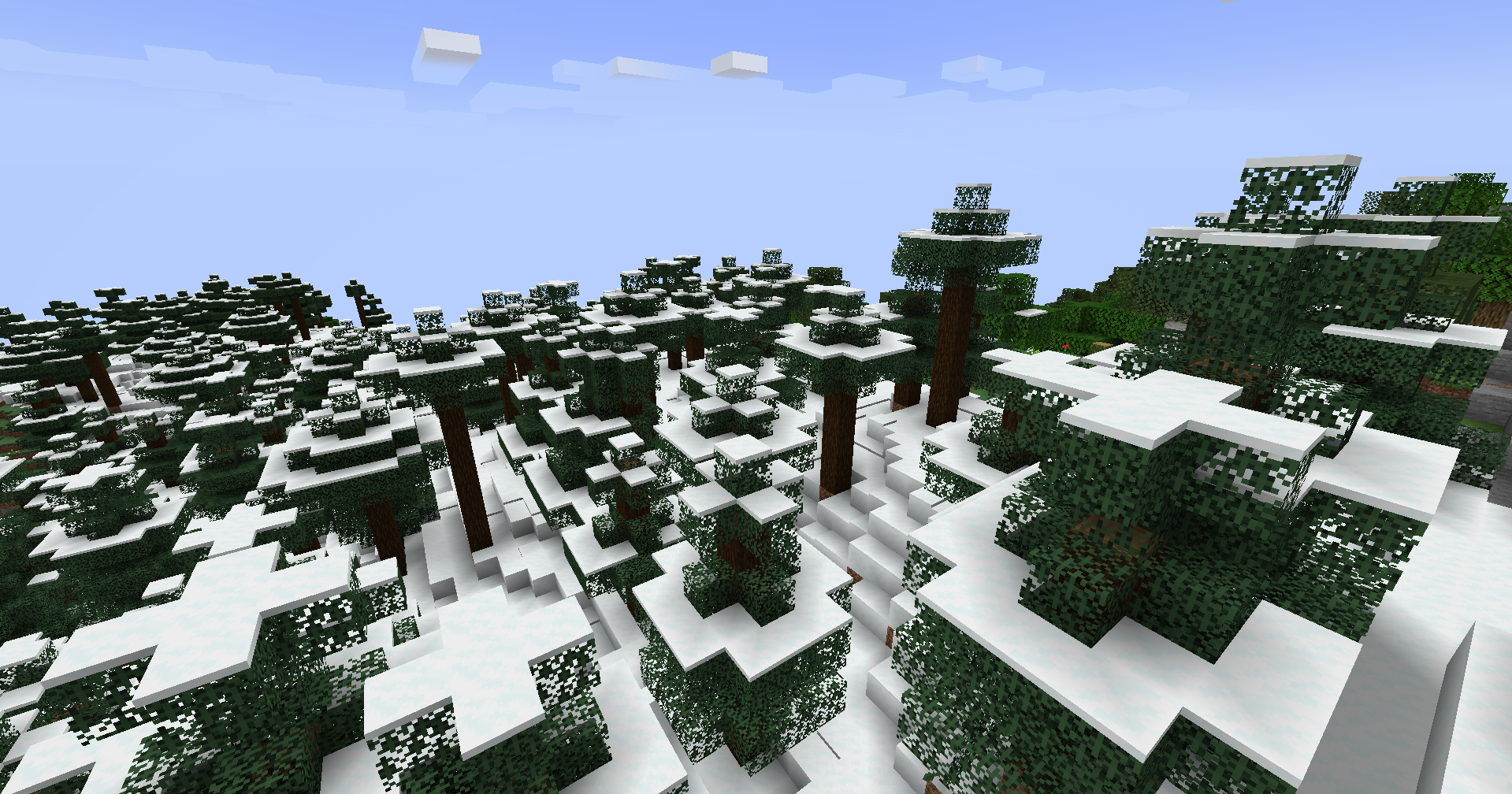
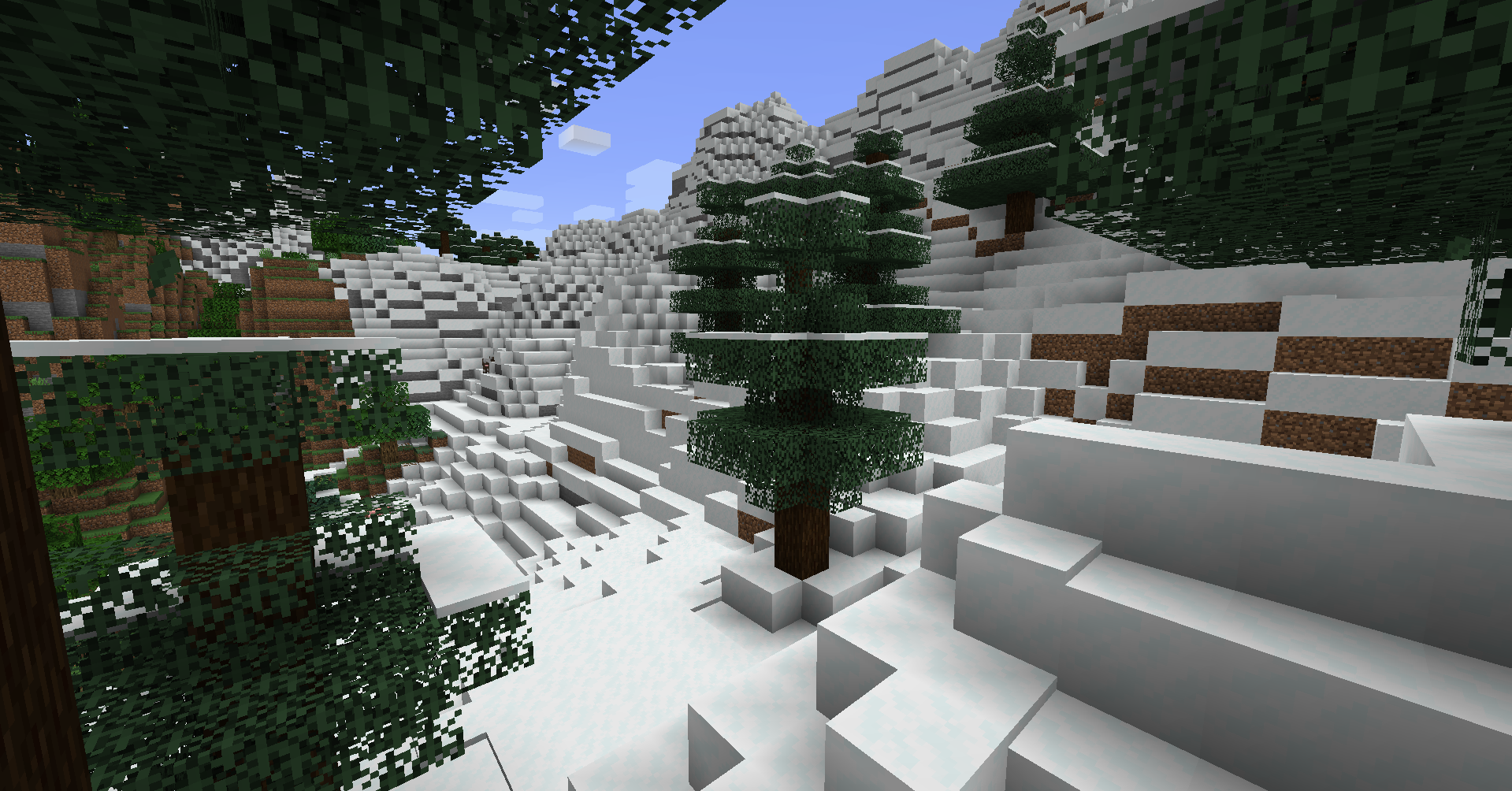
The Grove biome is quite an uncommon biome that you might find yourself in between lush meadows and sharp snowy slopes. What makes the Grove biome unique is its dense generation of Spruce Trees, Powder Snow, and Dirt. While the cold weather might deplete you of necessary resources, it’s certainly still a biome worth checking out.
In line with that, we’ve built this comprehensive guide on all the things you need to know about the Grove biome. From its differences with similar snowy slope biomes, benefits, and distinct features, to learning how to find it, we’ve got you covered.
What is the Grove Biome in Minecraft?
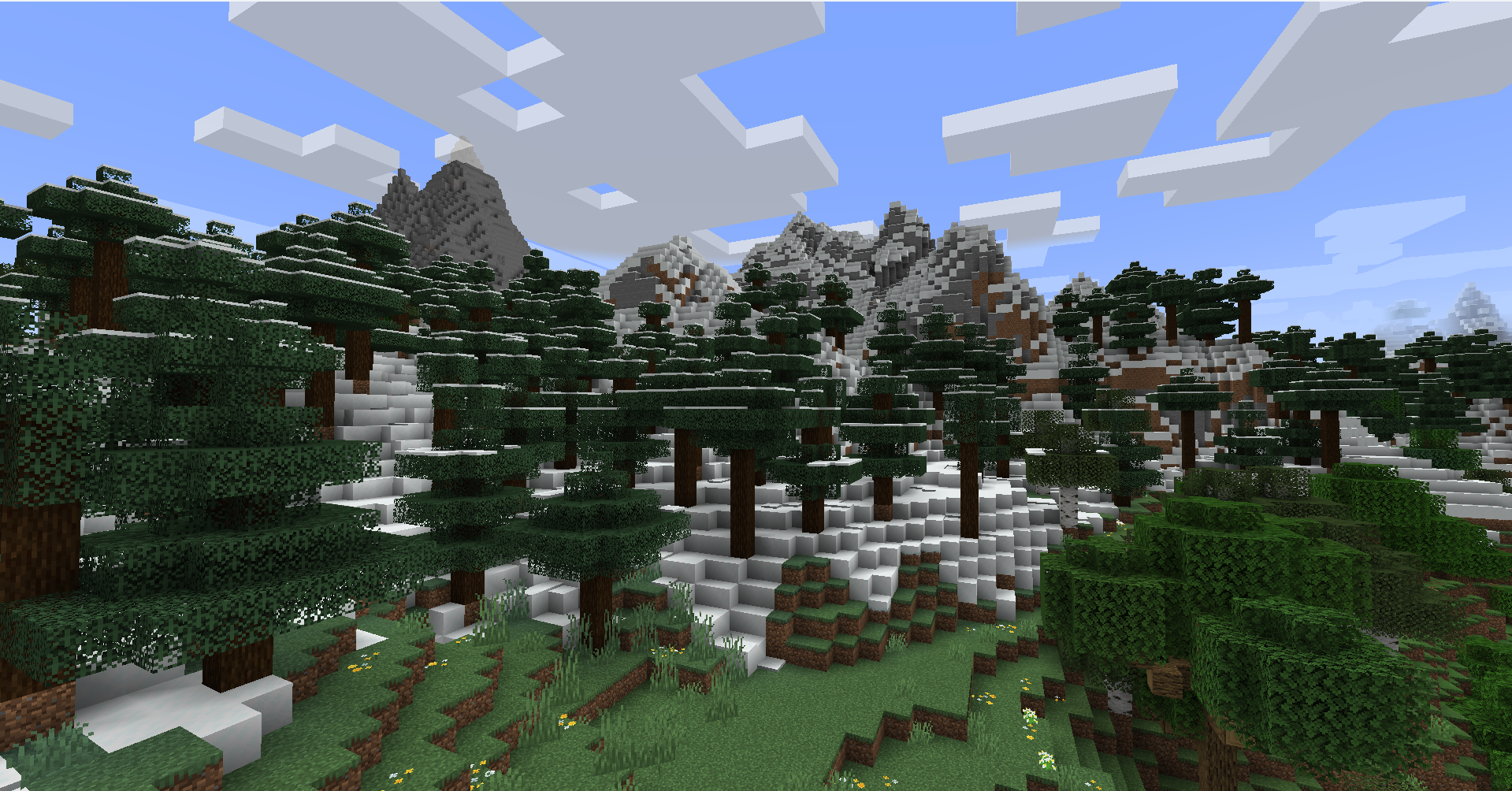
So, what is the Grove biome exactly? Well, the Grove biome is a form of the Snowy Forest biome. This biome often grows along mountainsides. If you’ve heard of Cherry Grove biomes, they work similarly, with the Cherry Trees growing along mountains as well.
For a bit more background, the Grove biome was introduced in the Caves & Cliffs Update of Minecraft. It pretty much accompanies the redesign of caves, mountains, cliffs, and adds the mountain biomes we know right now, such as the Taiga biomes.
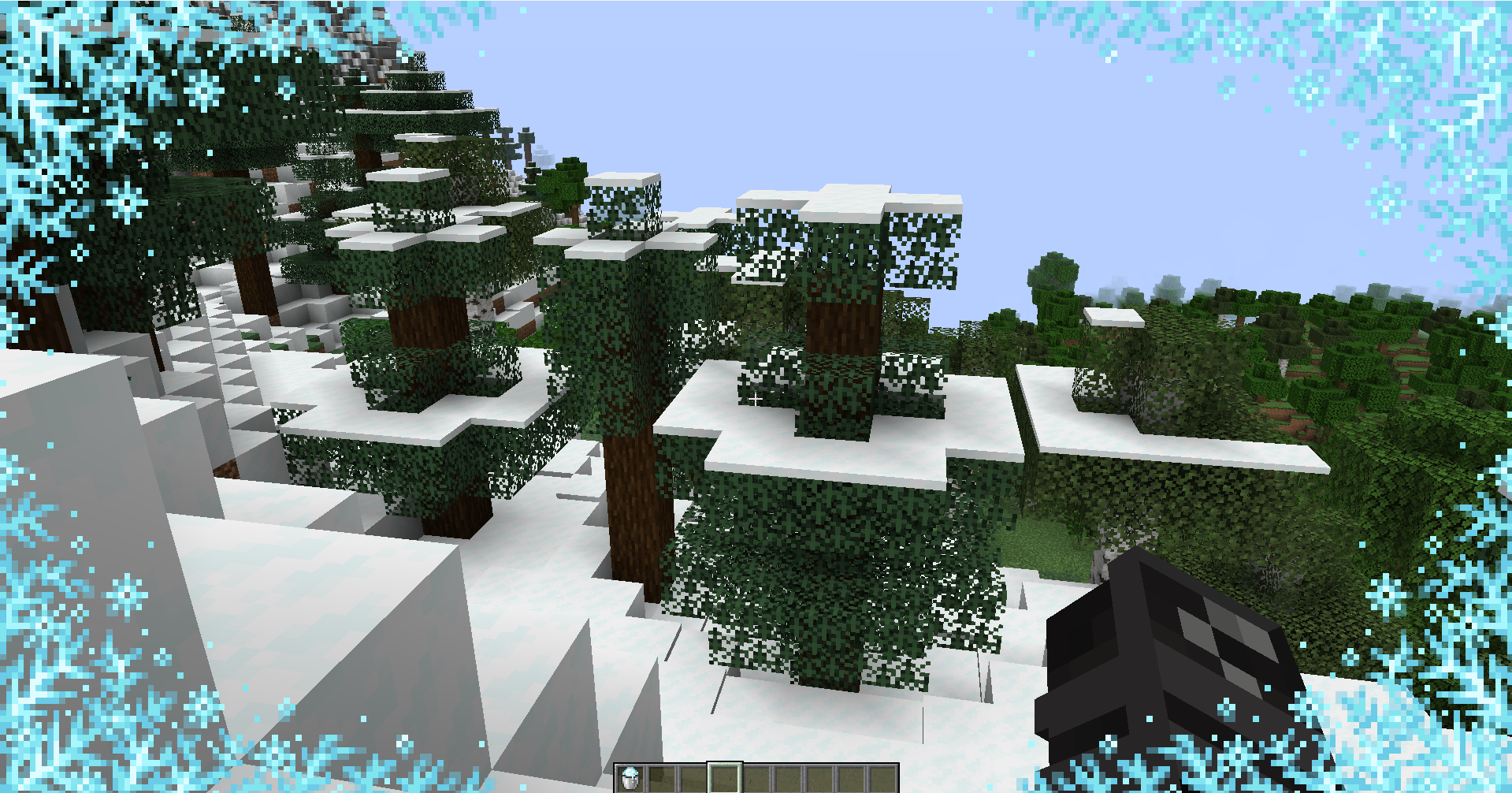
As a mountain biome, you’ll find Spruce Trees covered in snow instead. Plus, Grass Blocks are also covered in snow. The Grove biome can also be quite dangerous since you can come across hidden patches of Powder Snow that, upon walking on them, can freeze you.
Another added challenge is when it turns to nighttime or blizzards happen, since visibility drops and hostile mobs can surprise you, making survival in this biome more difficult.
Despite these dangers, the Grove biome is quite a sight to witness. You’ll appreciate the snowy atmosphere, the soft terrain, and the quiet. Sometimes, you might even encounter adjacent to this biome other biomes such as Snowy Plains, Snowy Taigas, Dark Forests, Old Growth Taiga biomes, Birch Forests, and the like.
Differences with other related biomes
While the Grove biome is part of the Snowy Forest biome in Minecraft, there are some differences between its similar-looking biomes. We’ll be detailing these right below.
Snowy Slopes
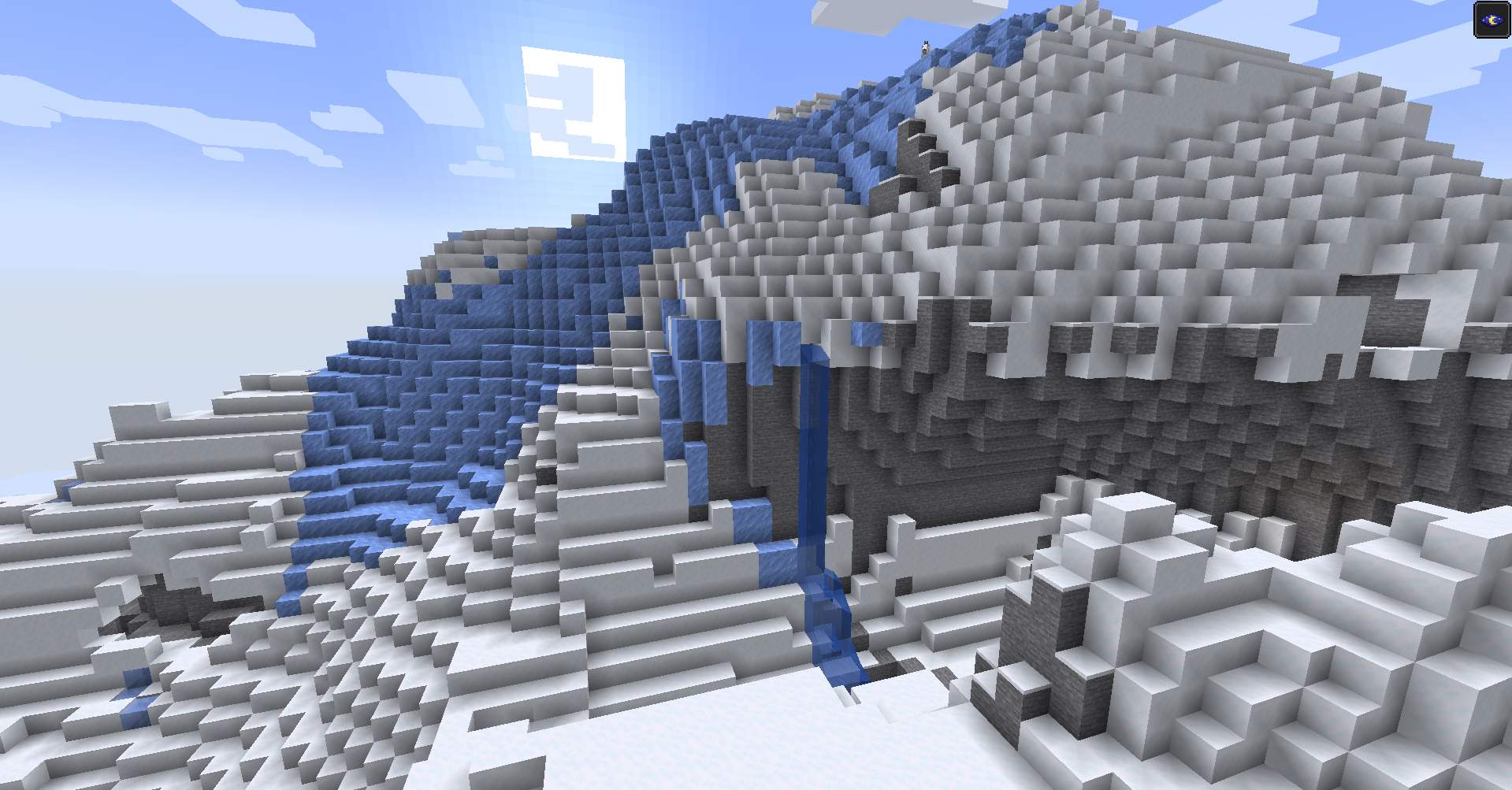
First are the Snowy Slopes. The main difference between this against Groves is that trees don’t generate within Snowy Slopes. But they still generate across mountainsides. It’s a barren area on a mountain that’s covered in snow. Igloos can also be generated here.
Snowy Plains
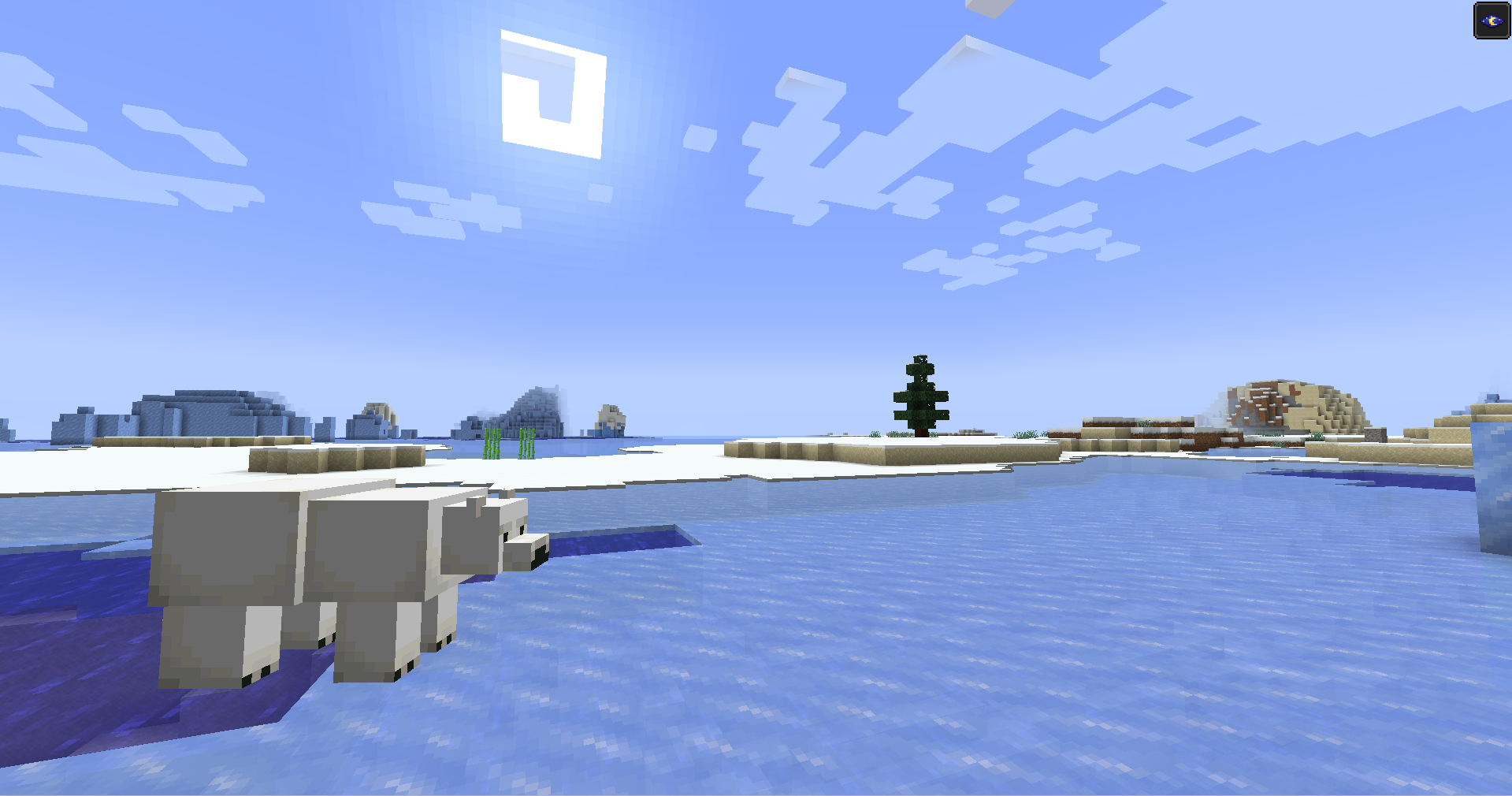
Next are the Snowy Plains, which is a flat snowy biome near the ground that is also coupled with ice. They mimic the actual Plain biomes. However, there’s a significant barrenness with it. You could find some Polar Bears and Rabbits that spawn here, however. Plus, you might catch a Snowy Village and Pillager Outpost if you’re lucky.
Snowy Taigas
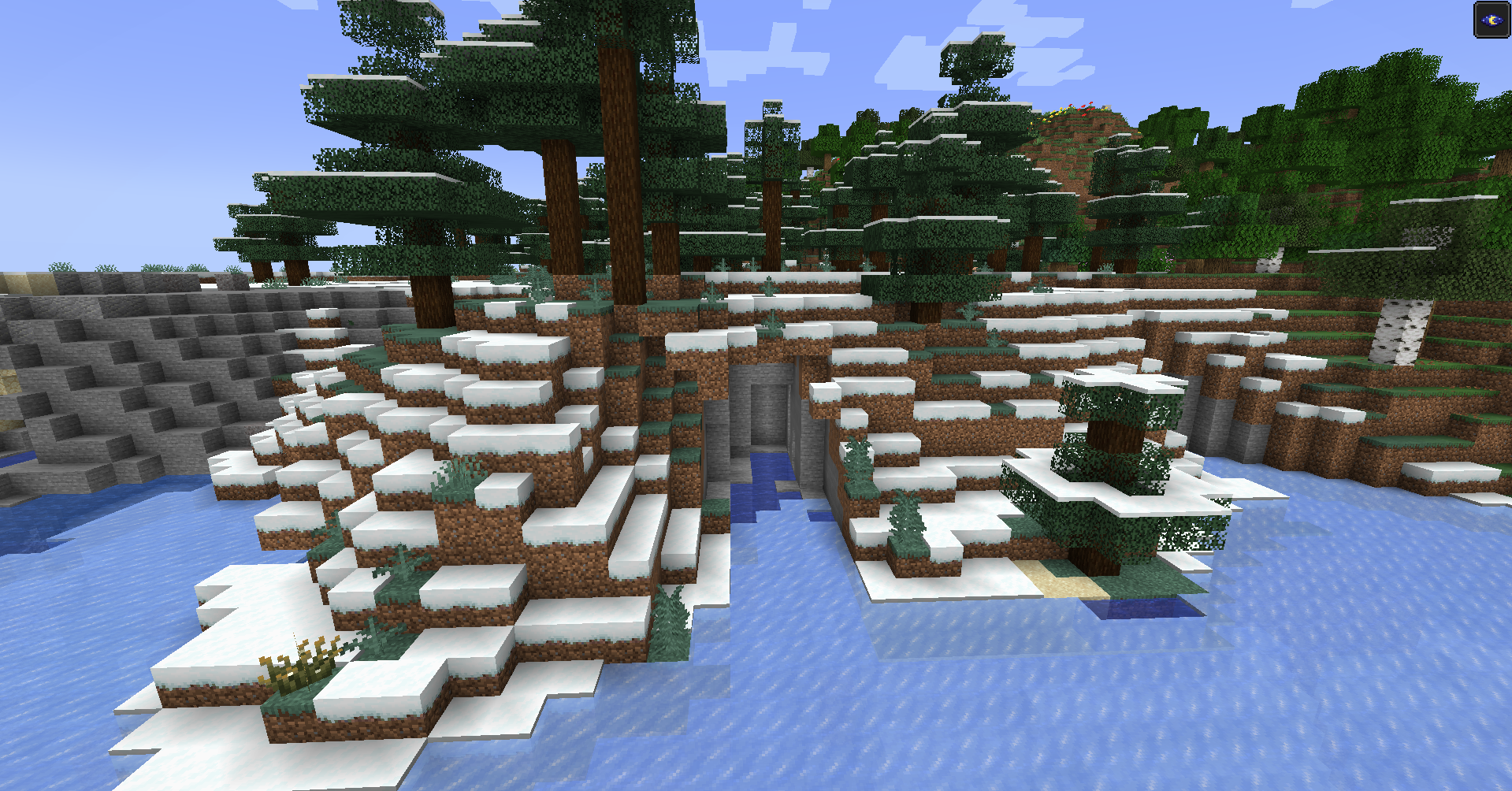
Another similar biome is the Snowy Taiga. In comparison to the Groves, Snowy Taiga biomes are snow-covered forests with Pine Trees, Spruce Trees, and even Berry Bushes. But what makes this biome unique is that the water within this biome can freeze into Ice, such as Frozen Rivers, Frozen Ponds, and even Frozen Oceans, which can spawn Polar Bears. Additionally, there are more mobs in this biome, such as Snow Foxes and Wolves.
Jagged Peaks
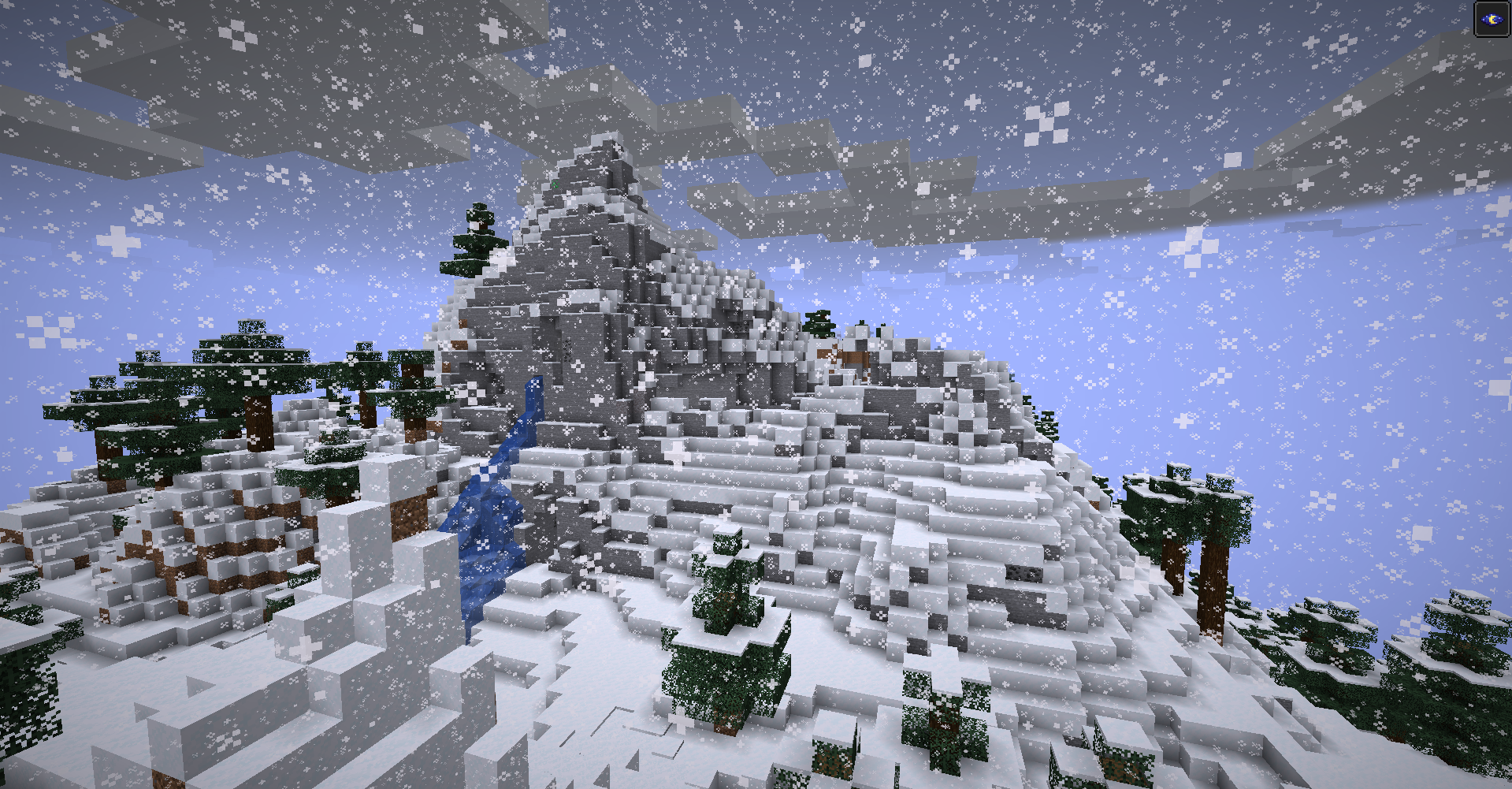
Then we have the Jagged Peaks, which are Mountain Peak biomes. These are pointed-like mountain biomes that are mainly generated from Stone and covered by Snow. They aren’t purely tree-based biomes like having Oak and Birch Trees, nor Spruce and Dark Oak Trees. But, there’s still a chance for you to find nearby biomes of Dark Forests. You’ll find blocks such as Stone, Iron Ores, Coal, and even Emeralds.
Frozen Peaks
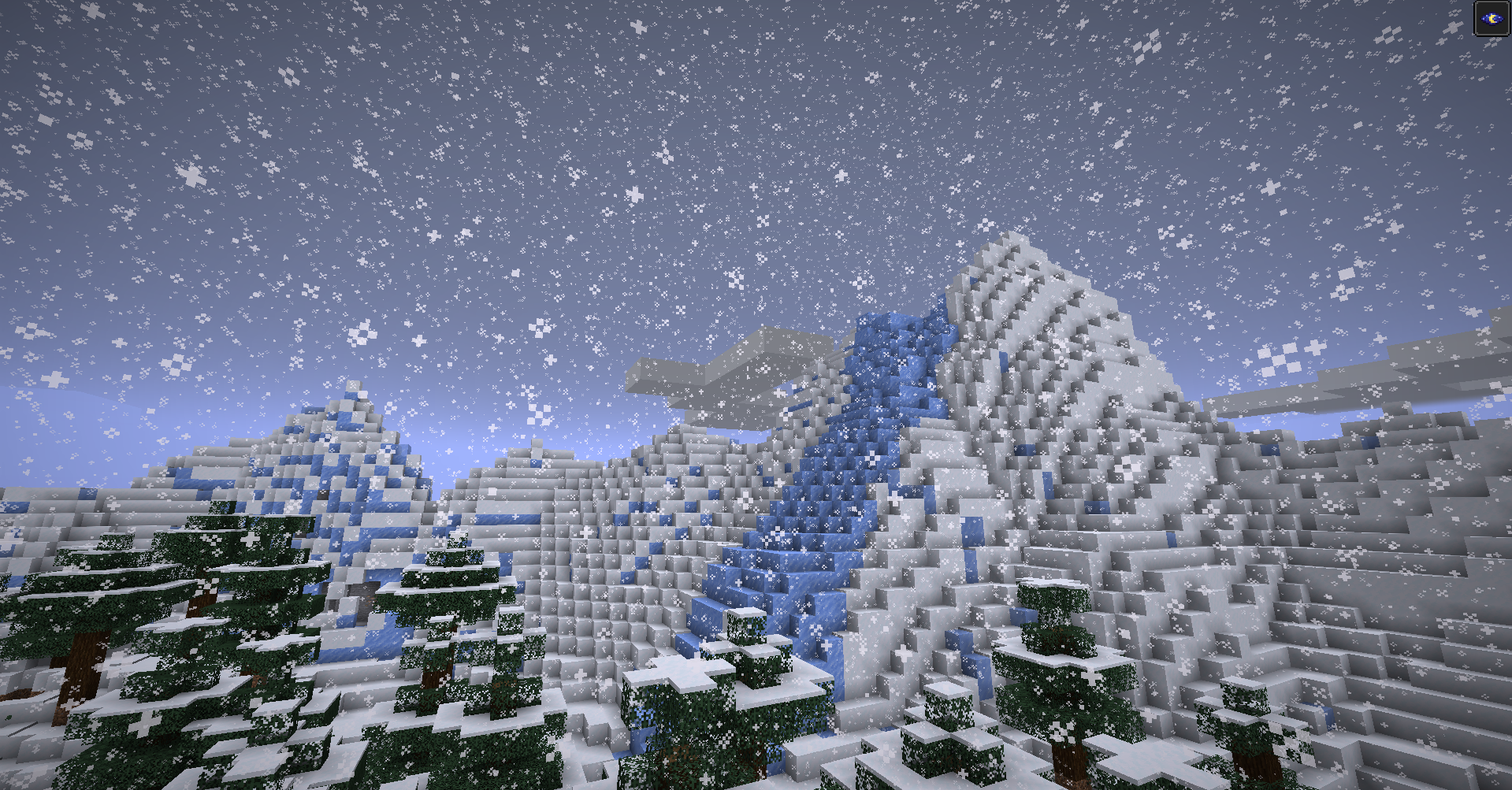
Similarly, there are also Frozen Peaks, which are icy counterparts to the Jagged Peaks. Here, you won’t find many trees like in the Groves. You can find Ice, Packed Ice, Snow Blocks, and even some ores, instead. You might even come across a Pillager Outpost as a structure within this biome.
Stony Peaks
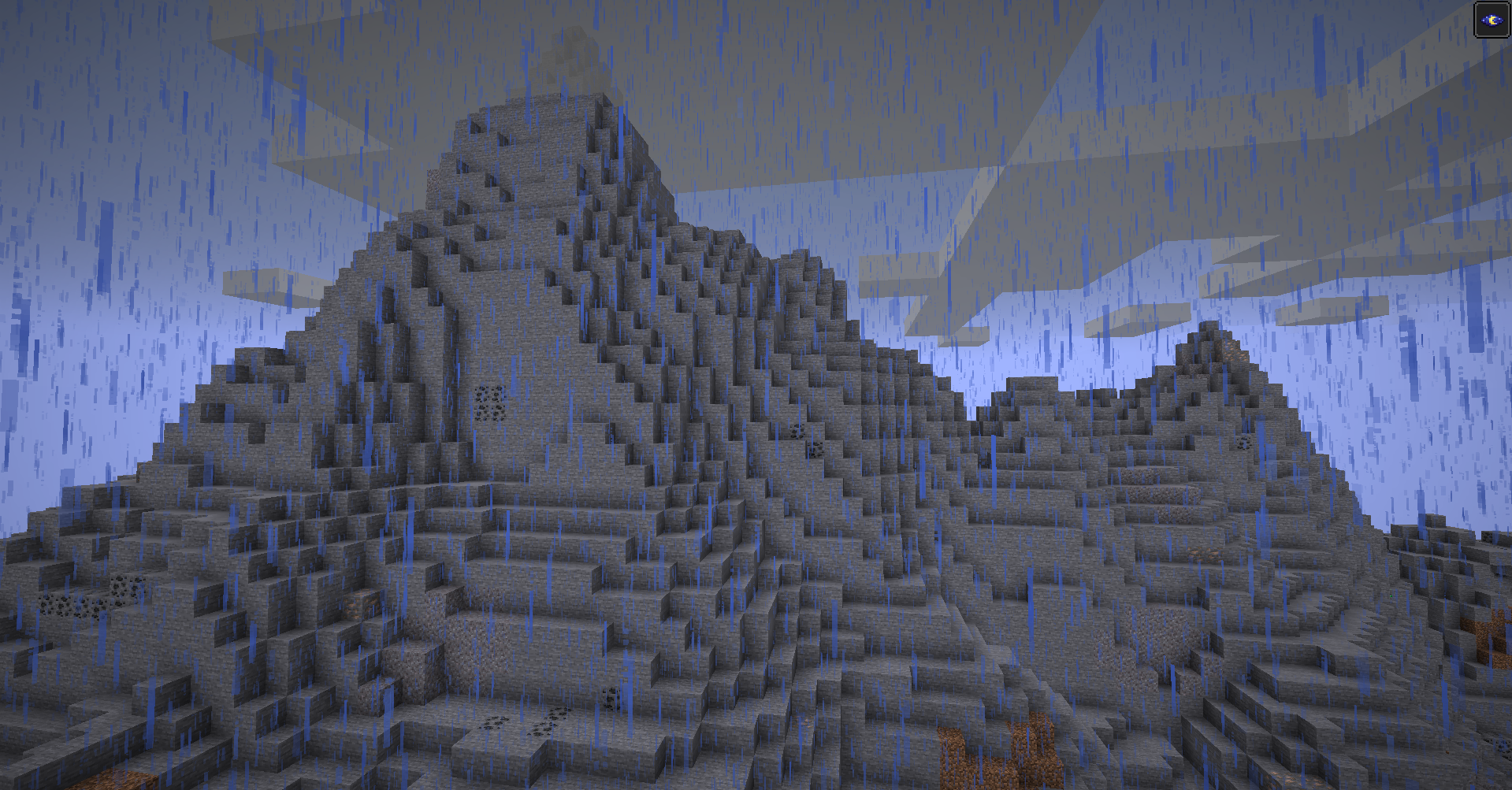
The last type of mountain biome, similar to the Grove biome, is the Stony Peaks. It’s a warmer version of both the Jagged Peaks and the Frozen Peaks, minus the snow. You’ll find a lot of Calcite, Ores, and Stone on this mountain biome. There’s still a chance for you to find a bit of scattered greenery here.
There are also other biomes, such as Old Growth Pine Taigas and Growth Spruce Taigas, which are biomes that have massive Spruce Trees and Coarse Dirt. On the other hand, Birch Trees also have a similar counterpart in the form of Old Growth Birch Forest biomes, with tall Birch Trees covering an area. While these miscellaneous biomes aren’t that identical to Groves, it’s still worth knowing that they exist.
What resources can you get from the Grove Biome?
Now that you have an idea about the Grove viome, what it looks like, and its sister-biomes, let’s now talk about the various resources you can obtain from the Grove. Expect the Grove biome not to be as lush as other Overworld biomes in Minecraft.
Blocks
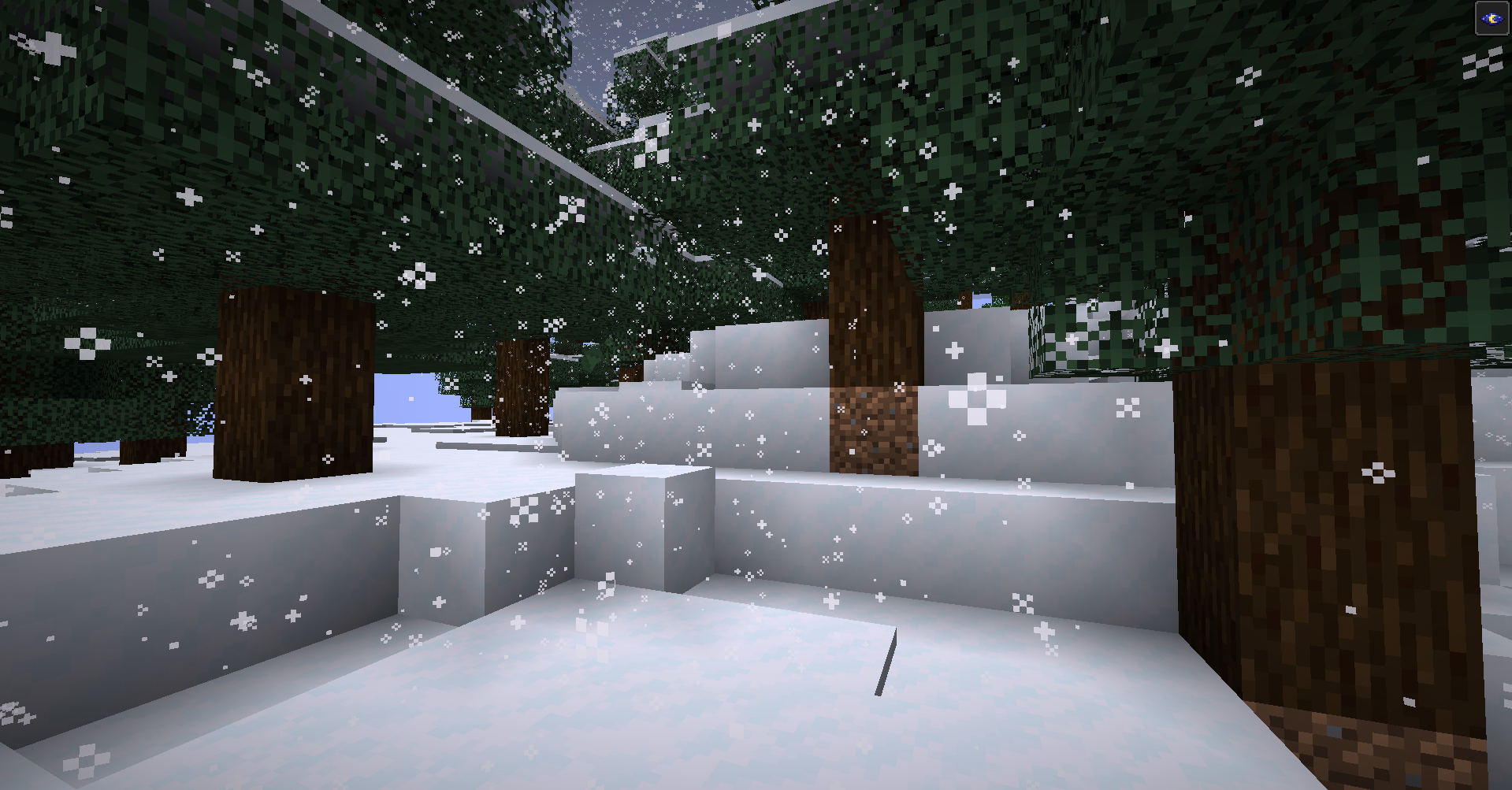
While you might not find Birch Trees that will spawn in this biome, there are plentiful and giant Spruce Trees that populate the Grove. You can cut down the Spruce Trees to get resources such as Spruce Logs and Spruce Leaves. It will make it easier for you to build your base, tools, and weapons, especially if you come across big Spruce Trees.
Besides that, the Grove has Snow, Snow Blocks, Dirt, and Stone. A more unique block you can find is Powder Snow. Powder Snow can be collected with a Bucket, and you can use it for making Traps, catching mobs, or even pranking your fellow players.
Mobs
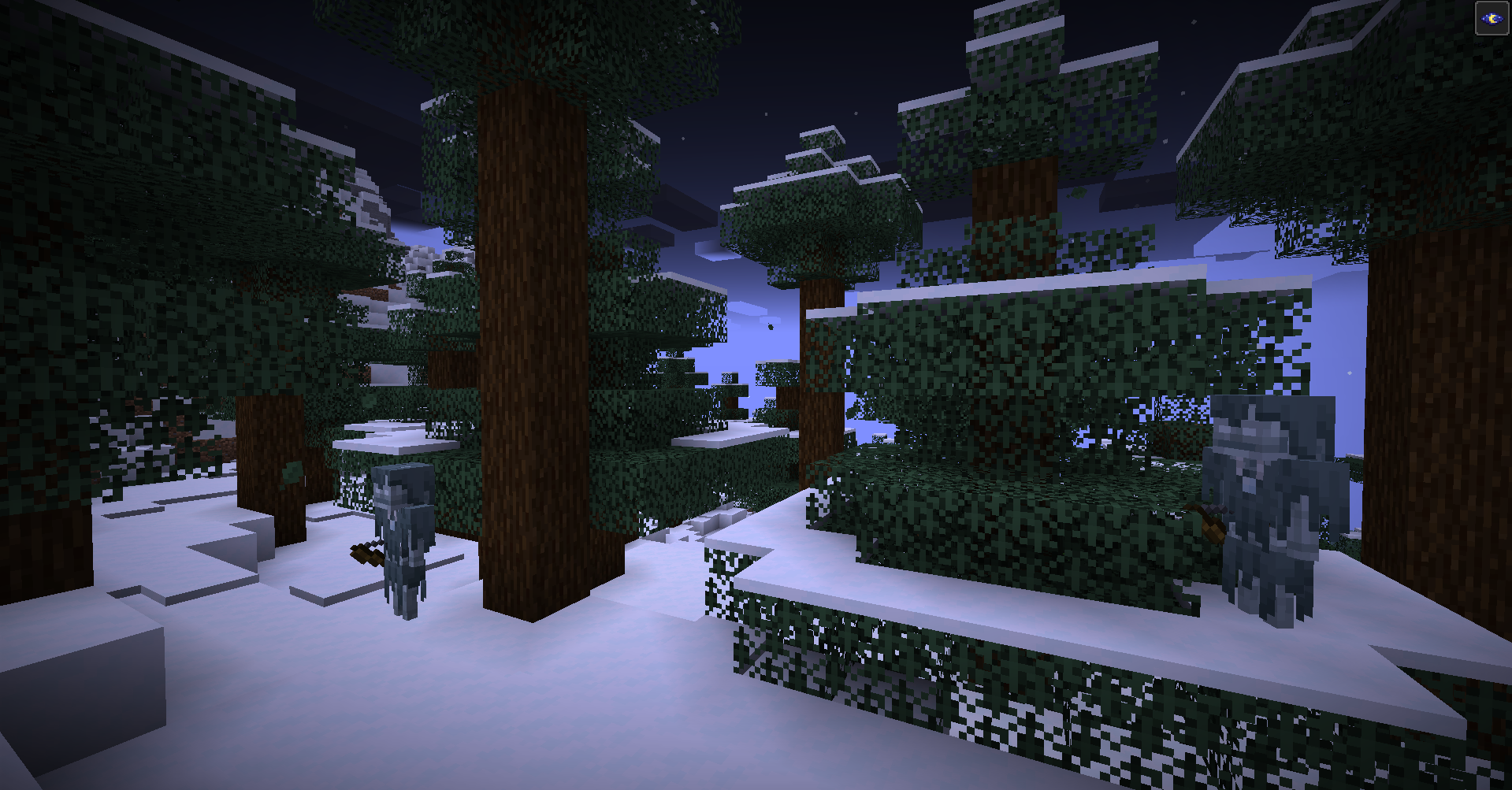
The Grove biome is also home to a few mobs. You might find Rabbits and Wolves, which are common in this biome. In terms of hostile mobs, you certainly have to watch out for Creepers, Strays, and typical undead mobs that spawn at night.
Food
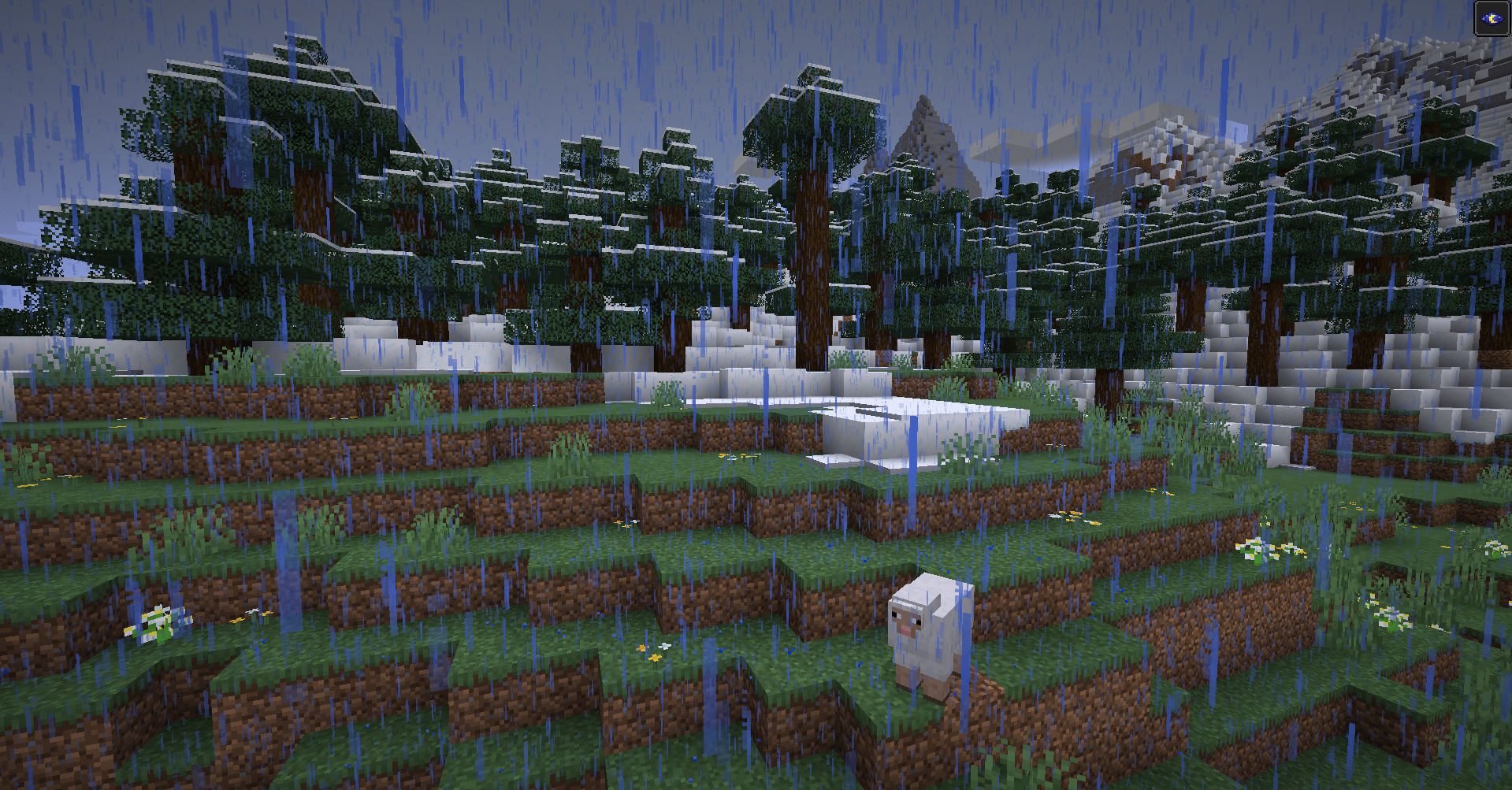
In terms of food resources, the biome generates Sheep and Pigs commonly for animals. However, you might also have the chance to come across some Sweet Berries. Ideally, it’s best to find sources of food in adjacent biomes so you can either breed animals or create crop farms, especially knowing that the biome is made up of Snow Blocks.
Benefits of living in the Grove Biome
If you’re still deciding whether to live in the Grove biome or not, this section might help you decide. Living in this biome can offer a unique experience away from typical Minecraft playthroughs. Despite it not being resource-rich, the biome presents a lot of challenges that make it worth settling in.
Aesthetic Builds
The Grove’s terrain is perfect if you’re the type to make scenic and immersive builds. You don’t only have to use the Spruce Trees within this biome, but also can pull from Dark Forest Trees, Mangrove Trees, Cherry Grove Trees, and other dark-colored trees to create your home in the biome.
The stark contrast between dark-colored blocks against the white snow will make your house stand out. You can also consider adding more color, such as cultivating a Flower Forest in a cleared-out snowy area.
Redstone Mechanics
Another benefit of living in the Grove biome is being able to tinker with redstone mechanics. This is mainly due to the Powder Snow found within the biome. Powder Snow can be used to hide Redstone Circuits, Trapdoors, and the like. You can create hidden entrances, vaults, and other secret features.
Challenging Combat Stage
To add to Redstone Mechanics, the Grove biome can also be used as a great combat stage, especially at night or during blizzards. Because of its uneven terrain, coupled with the Powder Snow. It gives you the challenge of how you’ll battle hostile mobs while avoiding falling in the Powder Snow. But you can also use this to your advantage. Other than that, the Grove biome can be a great location for strategic combat, especially for long-distance battles like wars in multiplayer roleplaying servers.
How do I find the Grove Biome in Minecraft?
Finding a Grove biome can be thought of as difficult. However, if you know what features to look for and where to look for them, it’ll be a breeze.
Through exploration
The Grove biome typically forms along the lower slopes of tall, snowy mountains. You might even find some Plains near this biome.
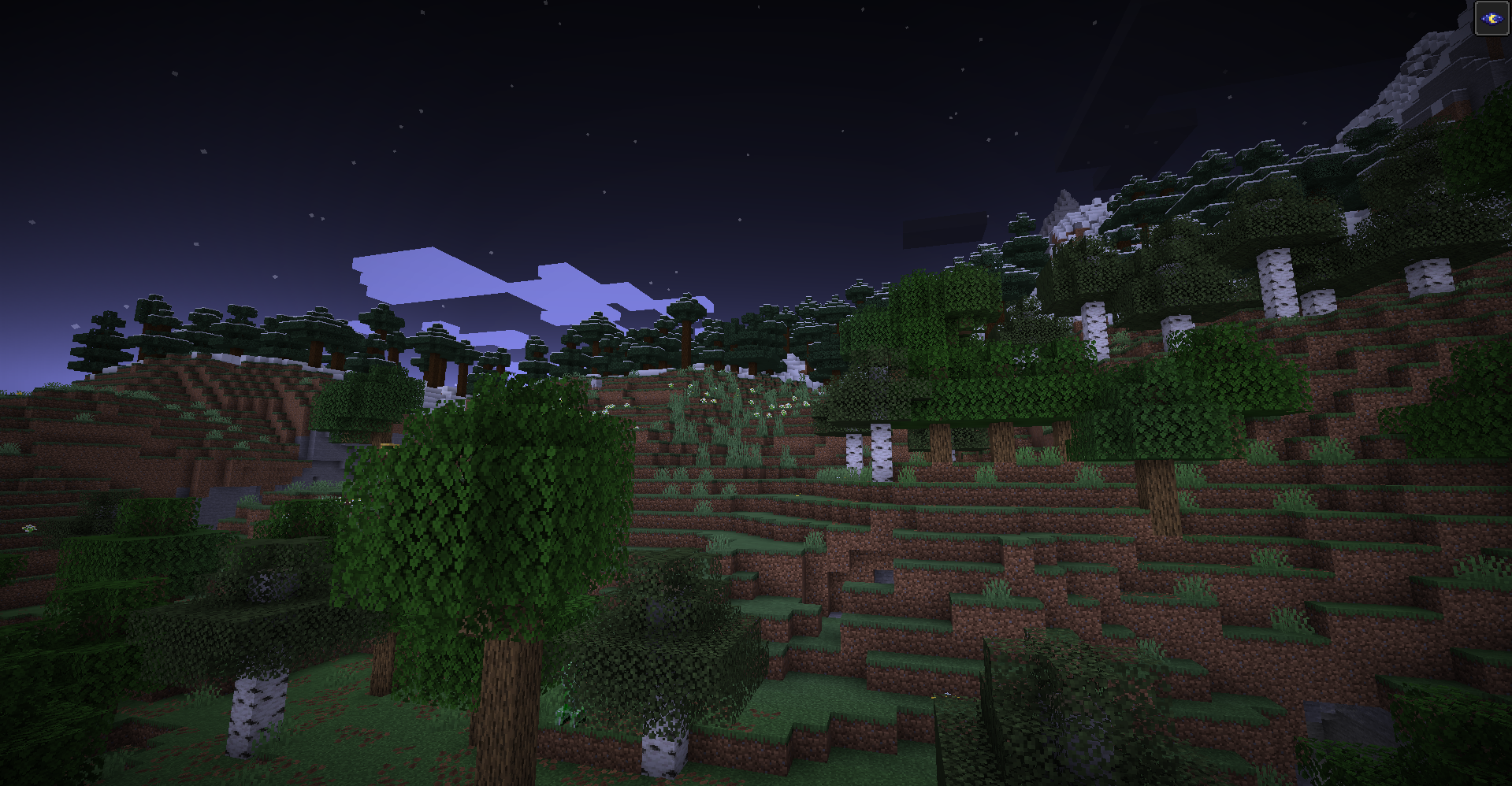
Another feature to look out for is unusual changes in elevation of the terrain and, of course, the Spruce Trees.
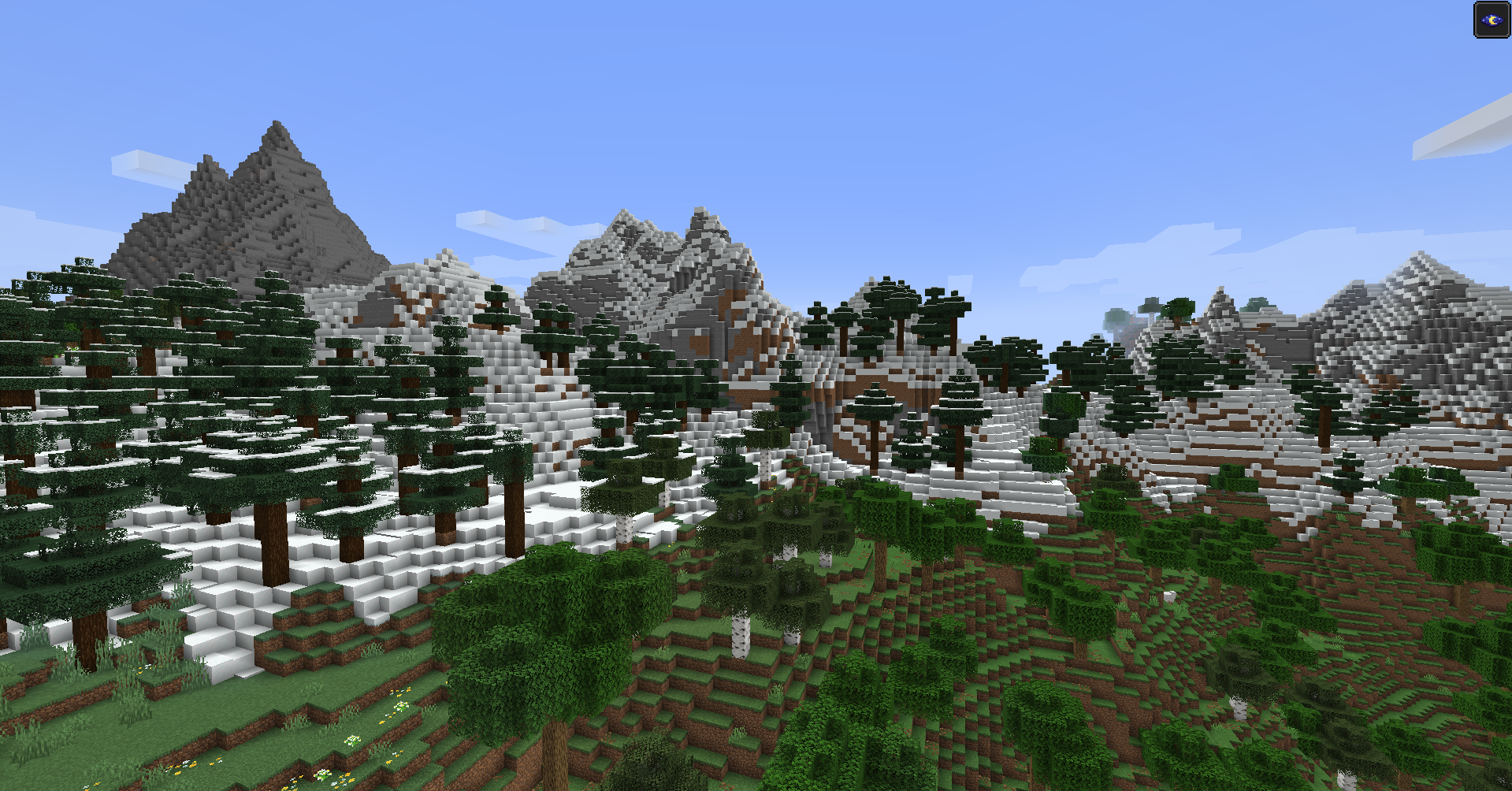
You’d want to avoid places such as Deserts, Savannas, Bamboo Jungles, and Sparse Jungles, which are very warm biomes. Instead, you’ll have to look for snow-covered areas in general.
Aside from that, you have to look for Powder Snow. Powder Snow is very difficult to distinguish from regular snow. You’ll find more scattered particles.
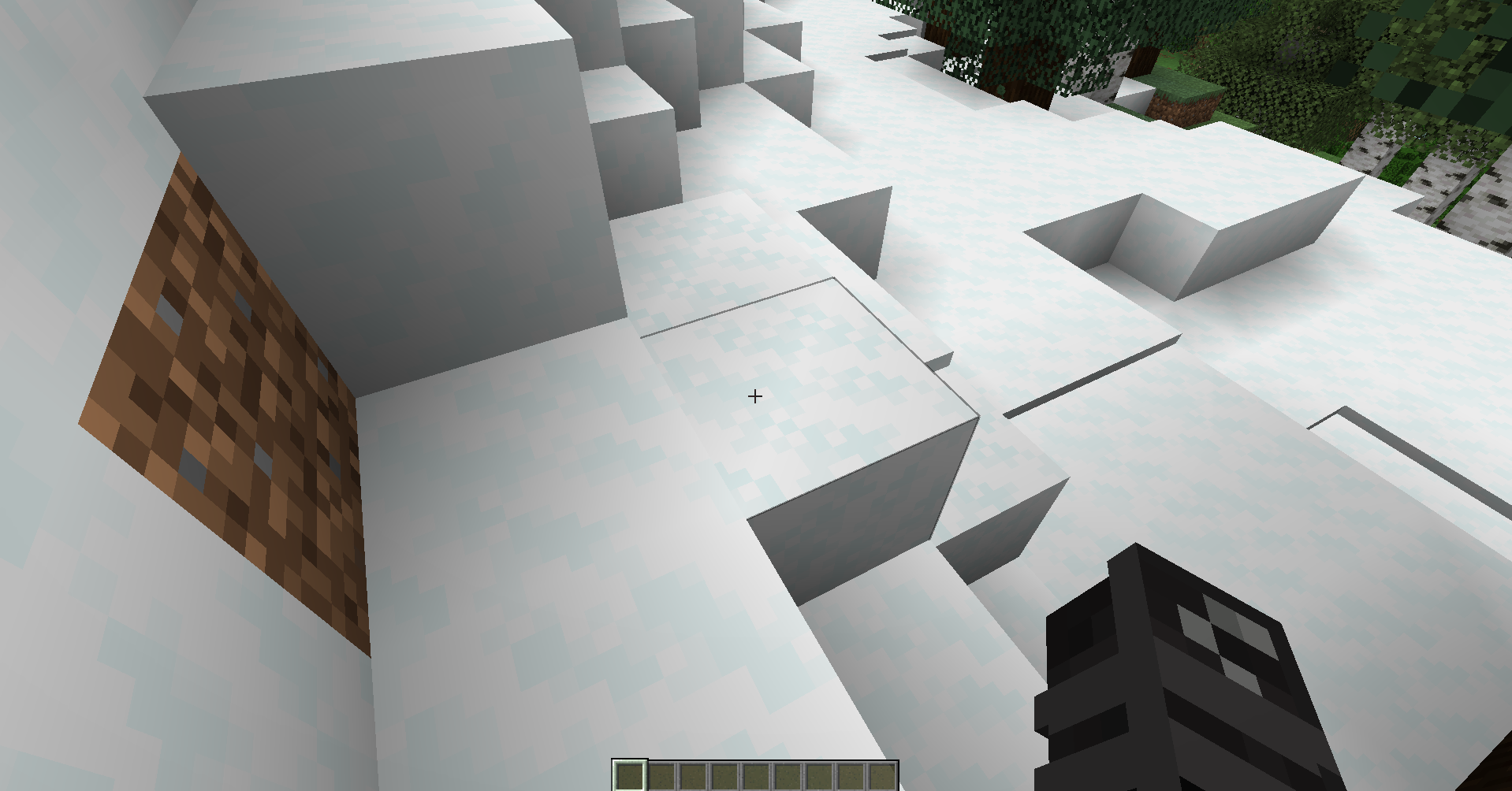
However, an easier way to find out is by looking at your screen to find a vignette of frost covering the borders. This indicates that you’ve run into some Powder Snow and are freezing.

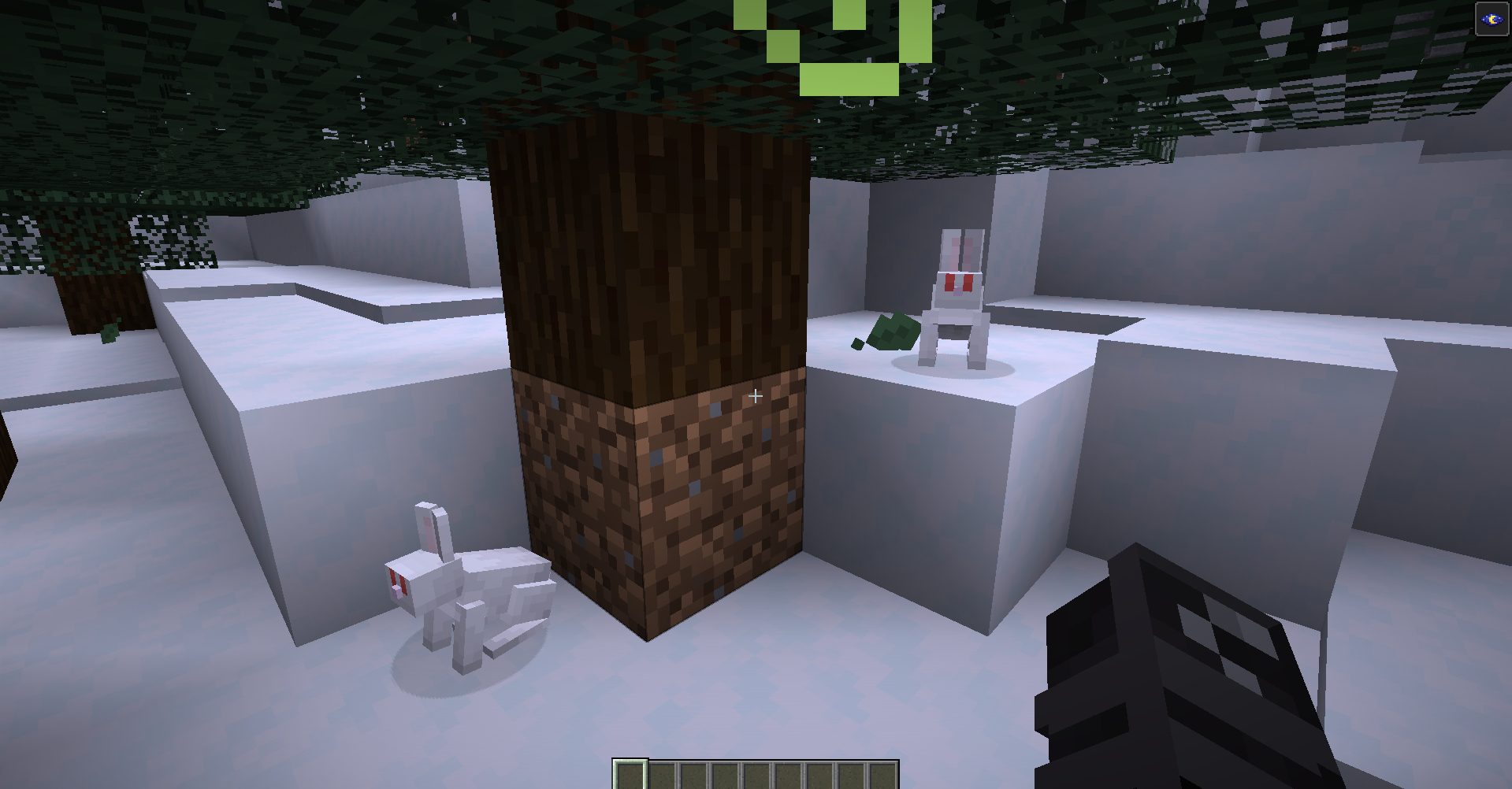
The presence of mobs such as Rabbits and Wolves can also indicate that you might be in the Grove biome. But don’t rely on this characteristic that much.
Though commands
If you’re playing in Creative Mode or you just want to immediately find a Grove biome, you can use commands to locate the biome you’re looking for.
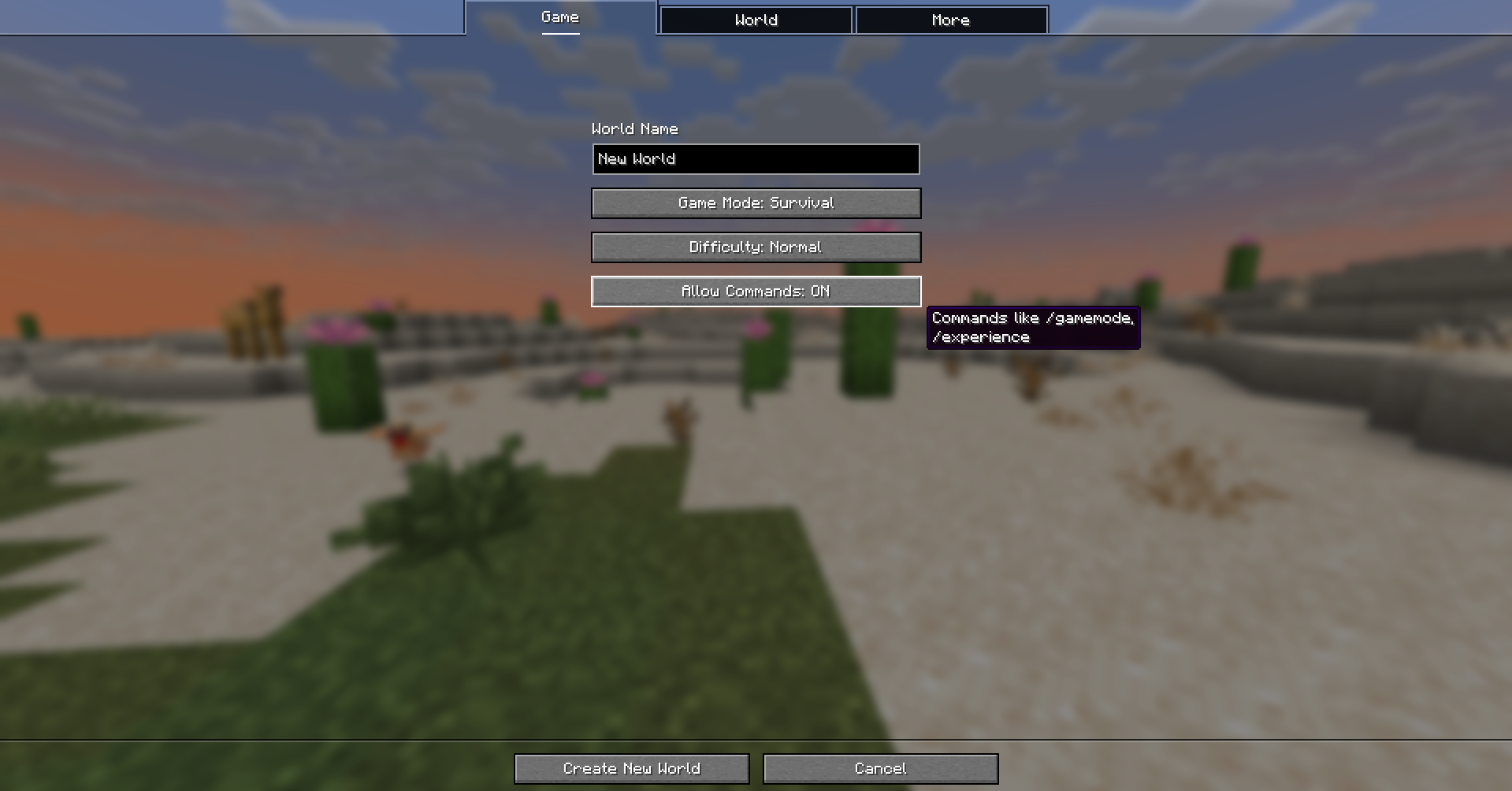
First, ensure that your world has cheats or commands enabled. This is usually found upon world creation in the game’s menu.
Then, in your world, you need to type “/locate biome.”
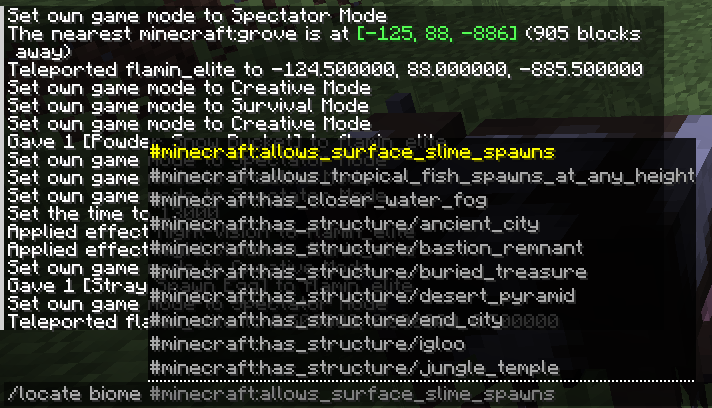
A series of command suggestions will pop up on your screen, and you should browse the biome list until you find “minecraft:grove.”

The entire command is “/locate biome minecraft:grove” if you’re playing on Minecraft Java Edition.
After hitting your “Enter” key, the coordinates of the biome will be given to you, and you can click that to teleport to the biome’s coordinates automatically.

With that, you’ve learned how to find the Grove biome in Minecraft.
Tips and Techniques for the Grove Biome
Overall, the Grove biome in Minecraft can be as visually stunning and useful if you understand it as a biome. While it may have challenging terrain that seems hard to venture through, it’s worth it for its resources of Spruce Trees, peaceful mobs, and aesthetic landscape.
To make the most out of the biome, it helps to carry Leather Boots to avoid sinking in the Powder Snow and freezing up. Additionally, you can light up your base with Torches or Lanterns to prevent hostile mobs from spawning frequently around your area.
Consider using the biome’s natural elevation to also create multi-layered hideouts that can camouflage you from mobs or other players. The biome is flexible enough for both close and distant combat if you use it effectively.
Be resourceful, explore, and have fun with the Grove biome. Embrace the snow and prepare wisely, as this biome can become your greatest ally in survival in Minecraft.

Renee is a freelance writer with a passion for gaming and pop culture content. While she mainly writes about games, she also does graphic design and illustration work from time to time. With a passion for the creative arts, she blends her skills to tell stories across various mediums.
Leave a Reply