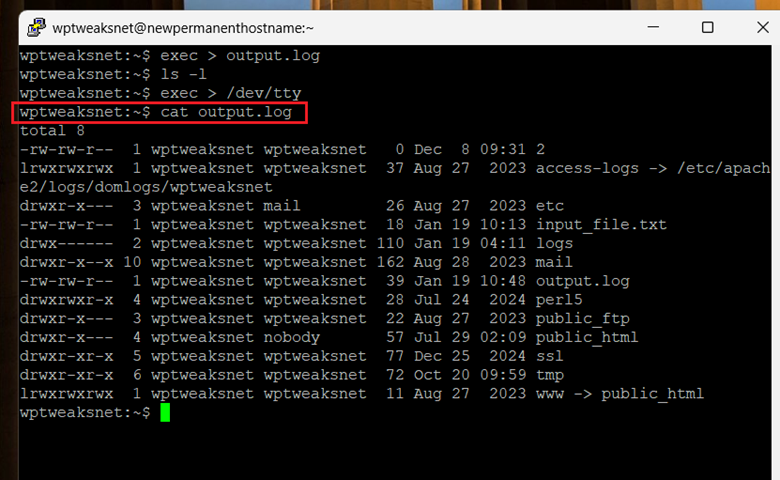
Bash File Descriptors Explained
Bash file descriptors are pointers to open files that a process uses. These included stdin, stdout and the stderr streams.
Bhagwad Park writes for the NameHero blog.

Bash file descriptors are pointers to open files that a process uses. These included stdin, stdout and the stderr streams.

You can do a lot more with curl, than just sending requests. Here's how to change the headers, the cookies, and how to authenticate users.
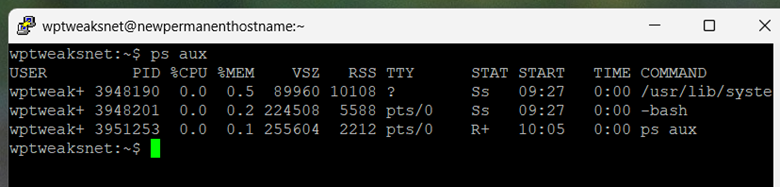
Linux has a sophisticated toolset to deal with processes in various circumstances from scripting, to monitoring, to control.
The "find" command is often used with the "exec" command. Here are the two options you can use, and the difference between them.
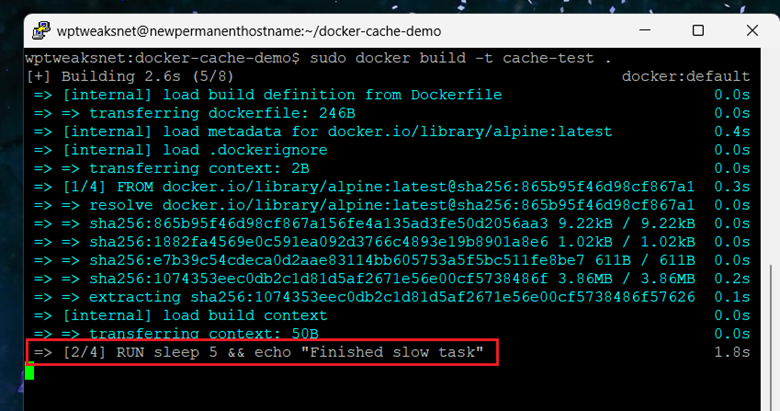
Docker heavily optimizes its build process with caching to save time. But it's important to know how to invalidate it.
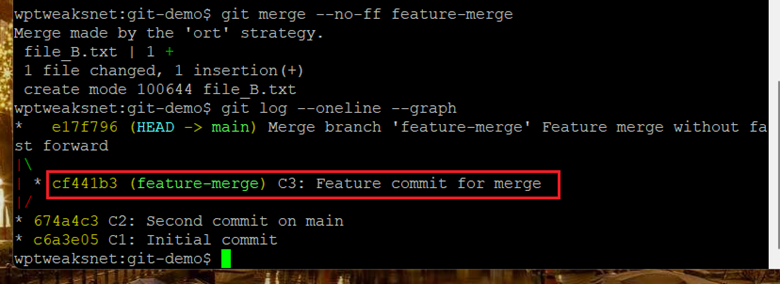
Git has many tools for merging branches and commits. Rebasing, merging, and cherry-picking all have their uses.
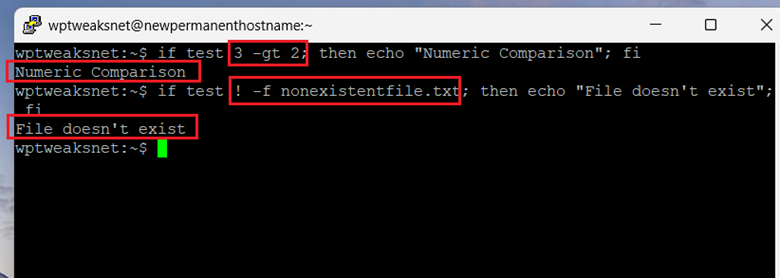
In bash scripts, we use conditional statements frequently. Whether it’s in an “if fi” logic block or within a “while” or “do” loop, we evaluate statements all the time...
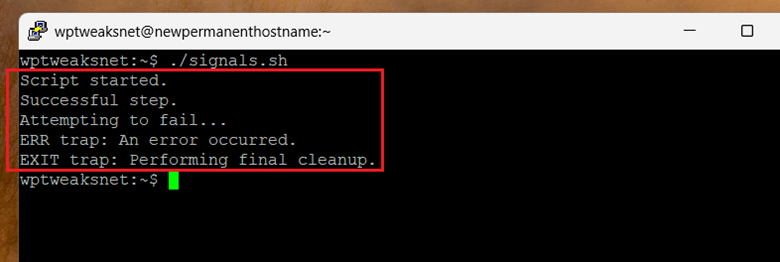
Bash in Linux allows us to set functions that run when certain signals are generated - either by the script, or the shell. Here's how.
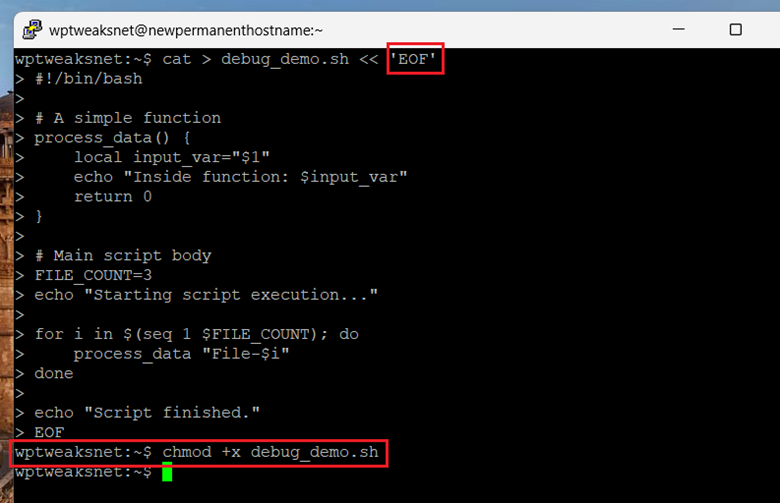
When coding a program, you usually have a full IDE set up with autocomplete and stack tracing, allowing you to pause execution at any point and see what’s going on under...
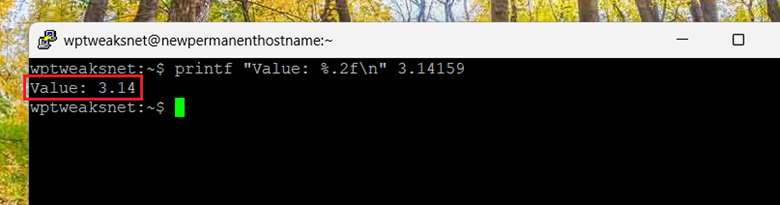
Echo and printf can both be used in bash for outputting text. However, echo is for quick output, whereas printf gives you more power.
Get new NameHero guides and first word on sales like the Pre-Black Friday event, straight to your inbox.