
Introduced via the 1.21.5 update, Minecraft Chicken variants are one of many alternative colored mobs in the game. Many of the game’s existing mobs have been given different colors based on which biome they spawn in, providing the game with some nice variety.
This guide will break down the three types of Minecraft Chicken variants: warm, cold, and temperate Chickens. We’ll discuss what they look like and where to find them, amongst other facts about Chickens. The guide will also describe normal Chickens and their benefits. Let’s get into it.
What Are Minecraft Chicken Variants?
Minecraft Chicken variants are simply the Chickens you’re used to seeing in the game, only they look wildly different.
The warm, cold, and temperate Chicken variants spawn naturally within the game — you don’t need to do anything different. All you need to do is explore the biomes as you normally would, and the Chicken spawning change will occur by itself.
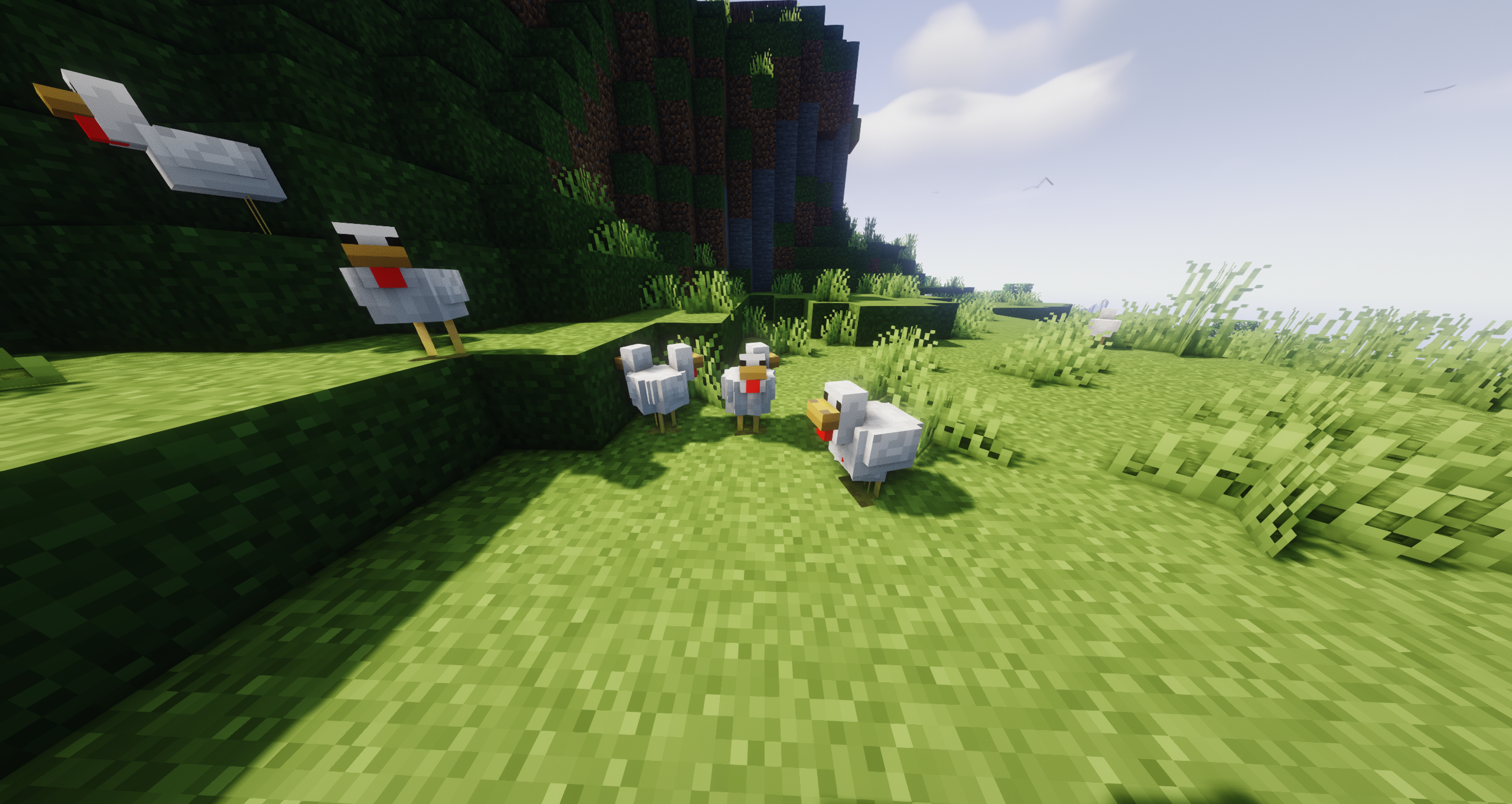
That said, how do Chickens affect the game of Minecraft anyway?
What Do Minecraft Chickens Do?
Of all the animals in Minecraft, the Chicken is one of its oldest. They love to roam around, and you can even find a Chicken swimming at times. If Chickens fall off the edge, you’ll notice them start Chicken flapping to slow their fall. Typically, though, Chickens avoid falling when they can. That said, their purpose in the game is quite simple: to provide you with meat, eggs, and feathers.
Meat
Defeating a Chicken will cause it to drop Raw Chicken, which you can cook for a satisfying meal. If you defeat a Chicken with the Fire Aspect enchantment equipped, the Raw Chicken will instead turn into Cooked Chicken.

Feathers
Chickens will also drop Feathers, which are used in a variety of crafting recipes.

For example, you can use Feathers to make Arrows by organizing Flint, a Stick, and a Feather in a Crafting Table as follows:
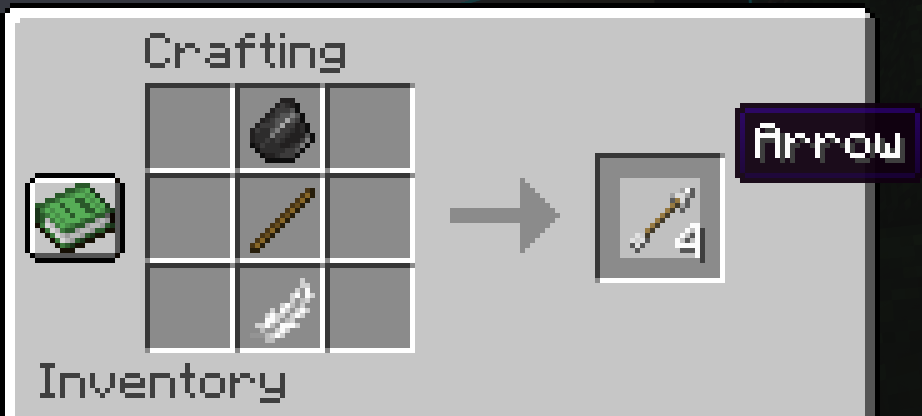
Otherwise, the Feather is used in the following crafting recipes:
- Book and Quill
- Brown Firework Star
- Brush
- Gray Firework Star
You can also trade Feathers with certain Villagers, such as the Fletcher.
Also, if you use Minecraft commands, you can equip the Feather on your head for an aesthetic change.
Eggs
Eggs won’t actually drop if you kill Chickens. Instead, an adult Chicken lays Eggs if you let it roam around. They lay an egg every 5-10 minutes. Some players create an automatic Chicken farm to speed up the Egg collection process.
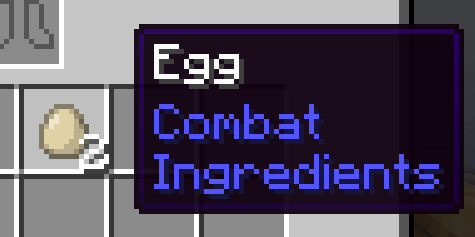
When adult Chickens lay Eggs, you can pick them up and throw them for a chance to spawn a baby Chicken. Baby Chickens spawn from Eggs most of the time, and will eventually grow into an adult Chicken over time.
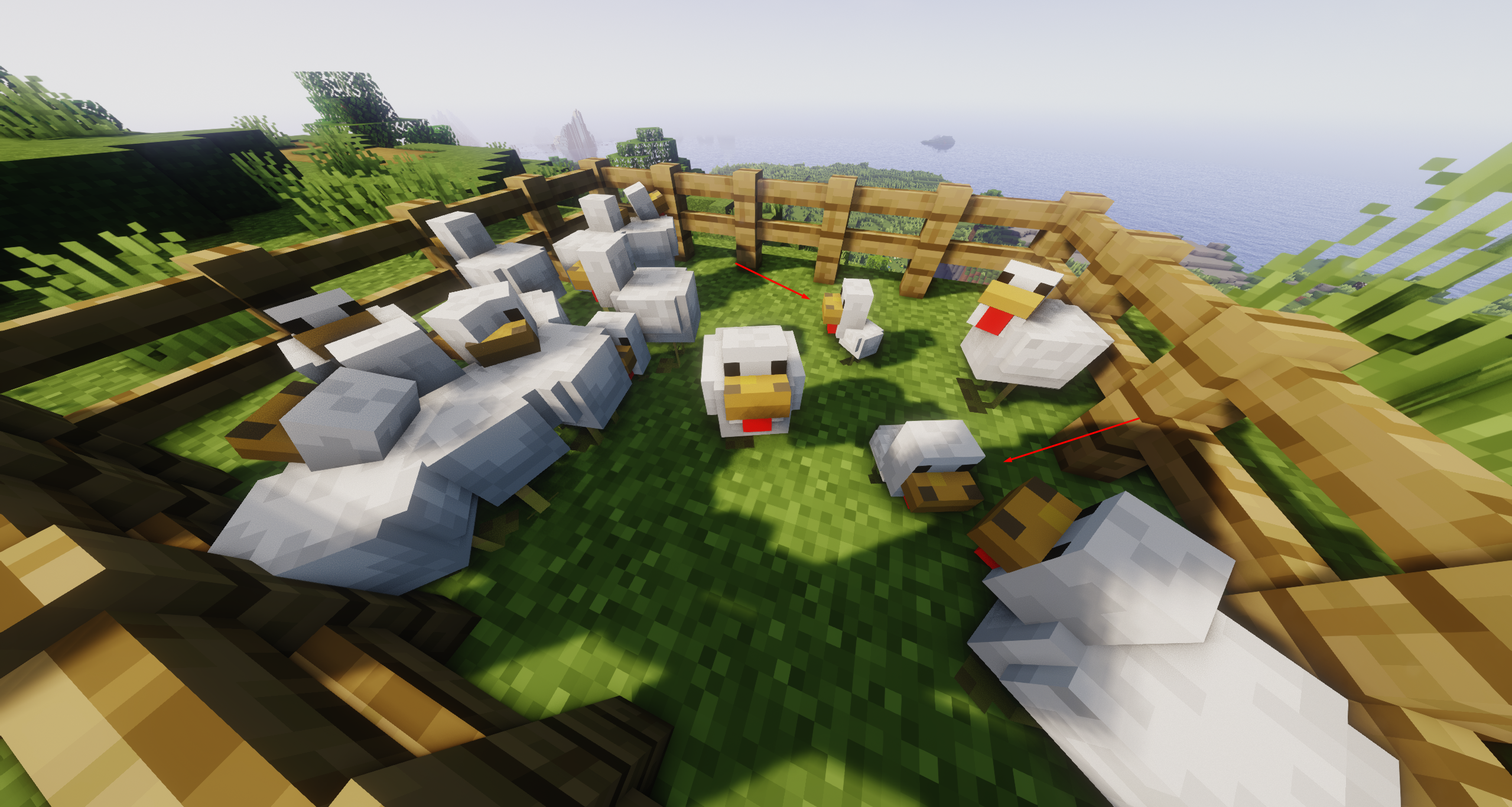
That said, baby Chickens yield nothing if you kill them.
A baby Chicken will grow into an adult Chicken after twenty minutes. However, a baby Chicken fed with Seeds will experience faster growth.
Breeding Chickens
Aside from Eggs, you can breed two adult Chickens by having them enter Breeding Mode.
To have Chickens enter breeding mode, feed them one of the following:
- Beetroot Seeds
- Melon Seeds
- Pitcher Pods
- Pumpkin Seeds
- Wheat Seeds
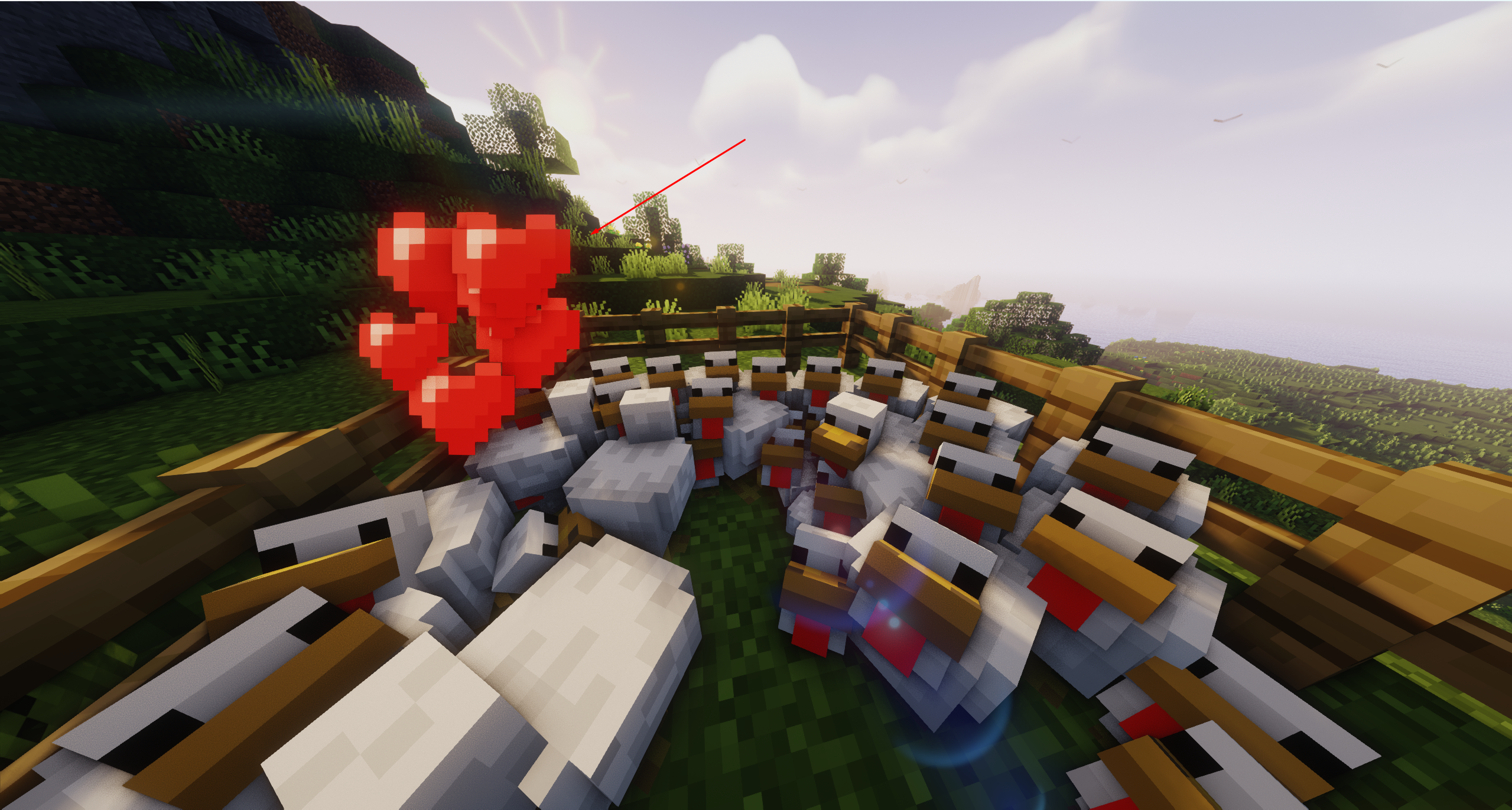
Upon feeding the two Chickens, they’ll have hearts emanating from their bodies. Then, the two will interact with one another and breed a baby Chicken.
Chicken Jockey
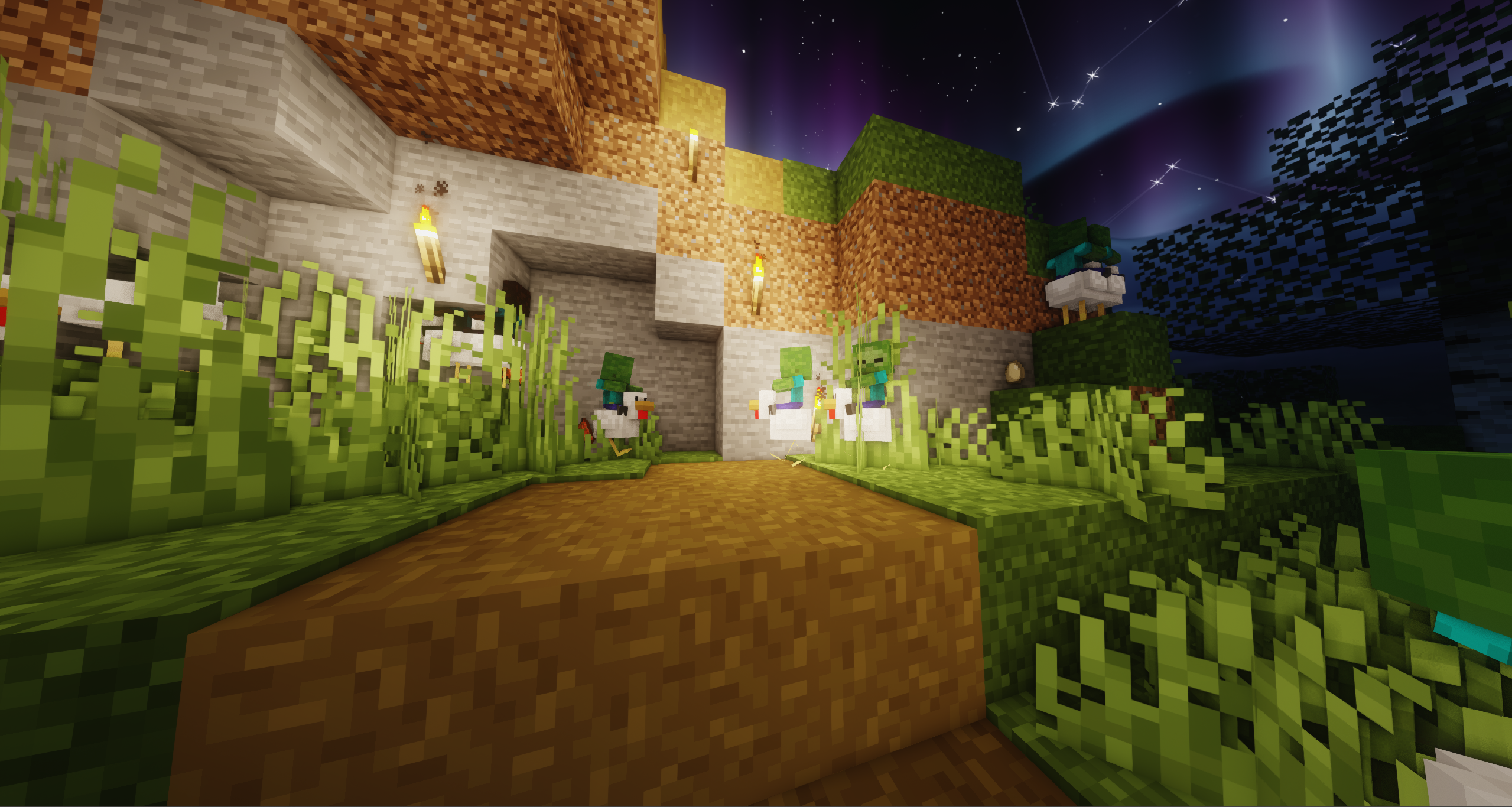
Popularized by the Minecraft movie, the Chicken Jockey is an adult Chicken with a baby mob on top. Chicken Jockey spawns consist of a baby Zombie, a baby Zombified Piglin, a baby Zombie Villager, a baby Husk, or a baby Drowned on top.
These enemies naturally spawn riding Chickens, and will attack you faster than the normal version of that baby Mob. Because of the monster riding them, there is no way that Chicken Jockeys lay Eggs. Minecraft Chicken variants can also spawn in a Chicken Jockey format.
Otherwise, some mobs will try to hunt Chickens, such as Ocelots, Foxes, and untamed Cats. You can also use a Lead to guide a Chicken around. This is helpful when trying to establish a Chicken farm.
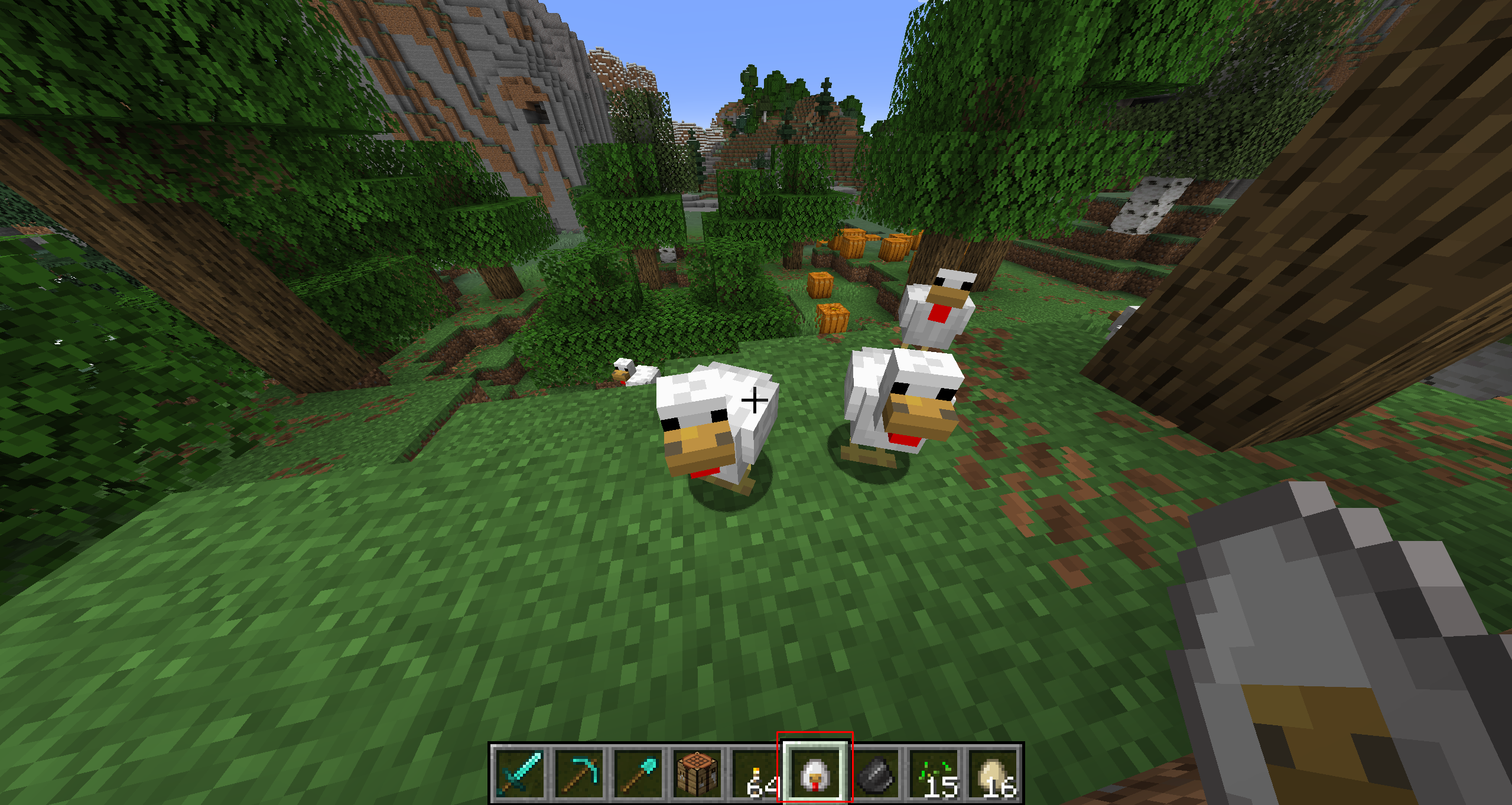
Of course, if you’re in creative mode, you can use the Chicken Spawn Egg to spawn Chickens whenever you want. The correct Chicken variants will spawn depending on which biome you use the item in.
Where to Find The Two New Chicken Variants in Minecraft
Now that you have an understanding of Chickens, let’s get a little more into the two new Minecraft Chicken variants.
Warm Chicken Variants
The warm Chicken variants are various colors of orange, looking a lot like Terracotta blocks from the biome of the same name.
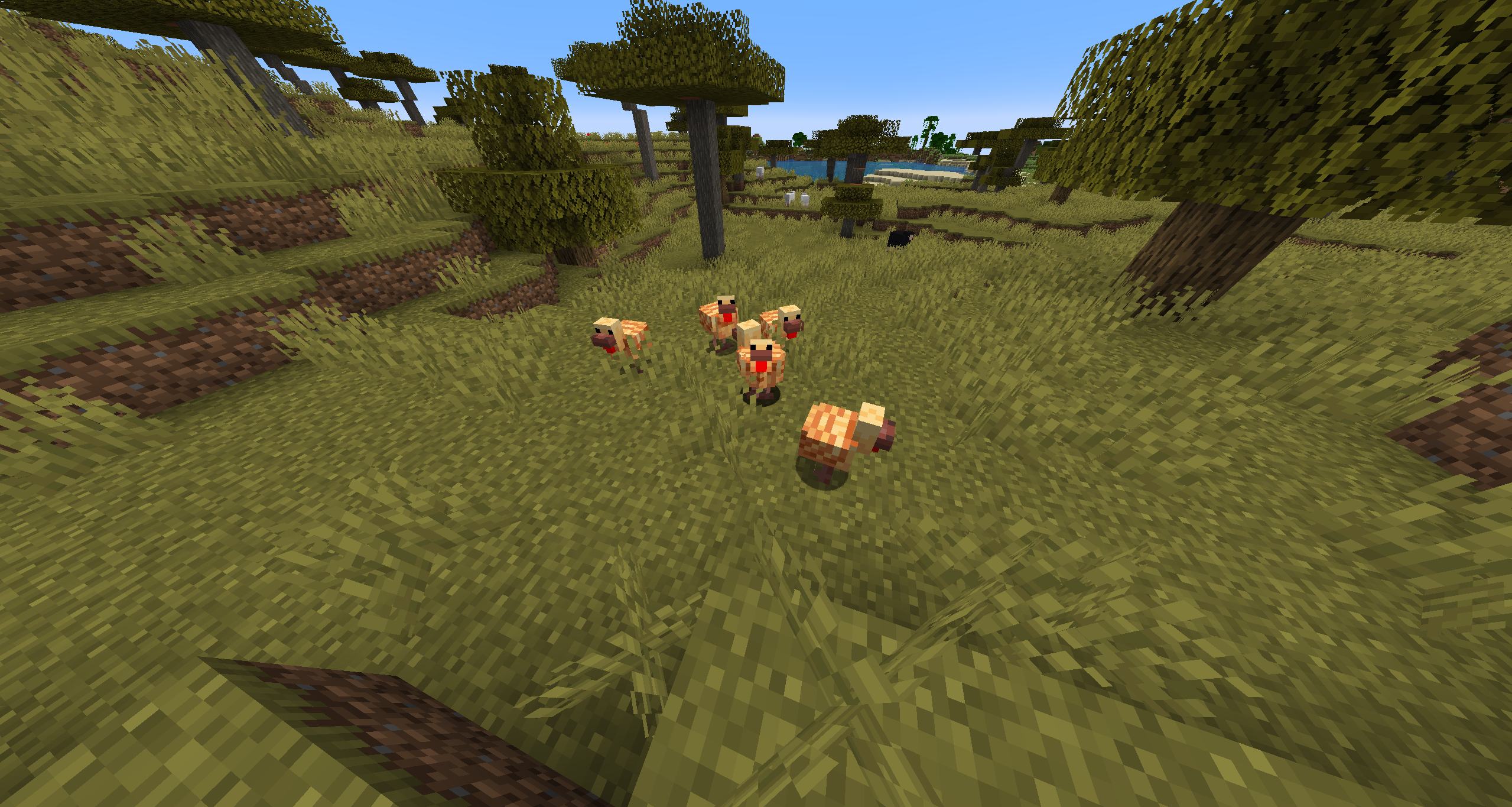
Warm Chickens lay brown Eggs when they’re put into Breeding Mode. The baby Chicken version of the warm Chicken variants is the exact same coloration, all while sporting what looks like a Desert Temple on its head.
Where to Find Them
You can find the warm Chicken variants in the following biomes:
- Badlands
- Bamboo Jungle
- Eroded Badlands
- Jungle
- Savanna
- Savanna Plateau
- Sparse Jungle
- Windswept Savanna
- Wooded Badlands
Cold Chicken Variants
Cold Chicken variants have their feathers slicked back, and are colored kind of like a storm: blacks and grays make up this guy’s color scheme.
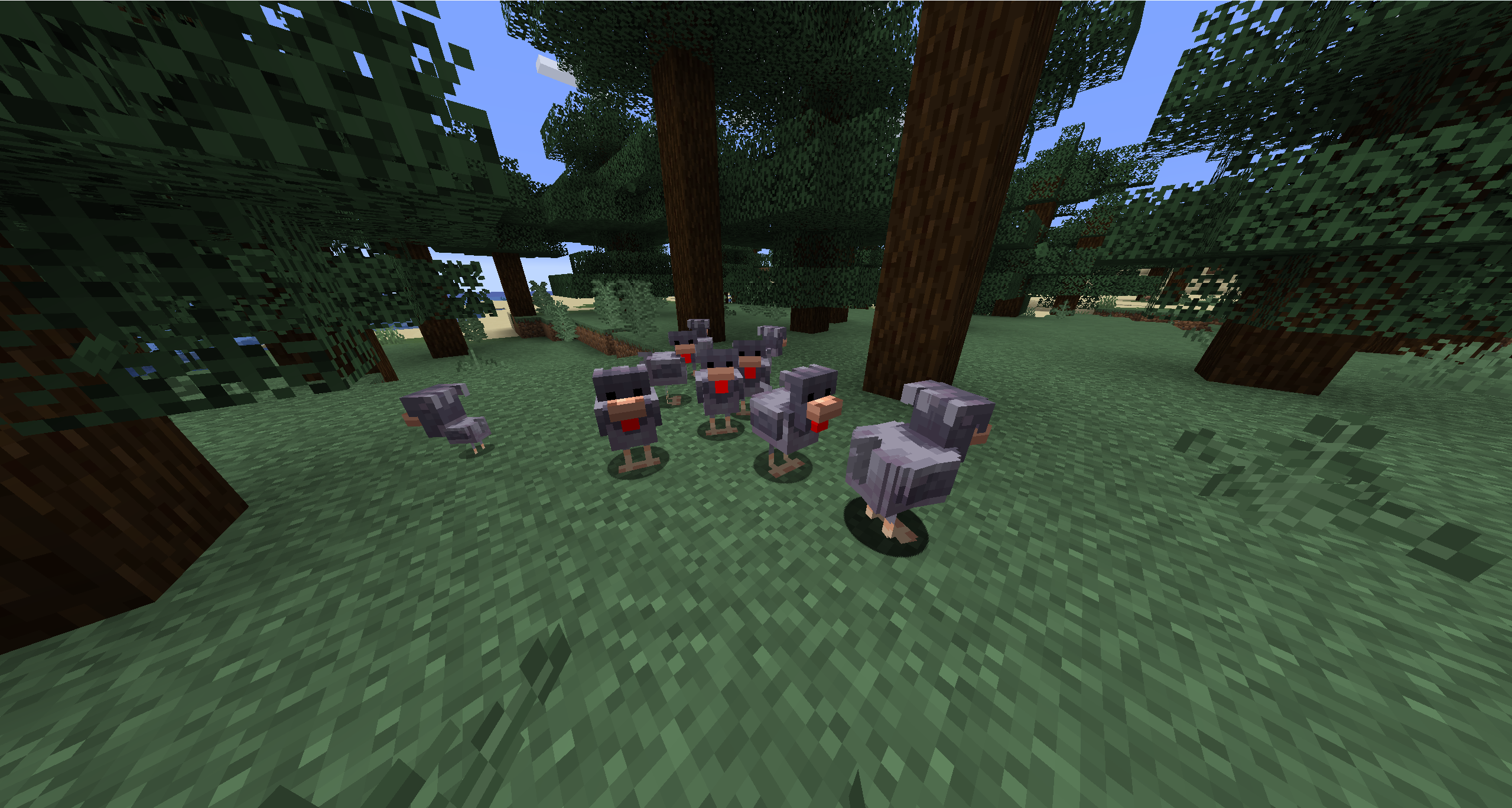
Cold chickens lay blue Eggs, meaning you can produce a blue Chicken family after only a short period of time.
Where to Find Them
You can find cold Chicken variants in the following biomes:
- Old Growth Pine Taiga
- Old Growth Spruce Taiga
- Snowy Taiga
- Taiga
- Windswept Forest
- Windswept Gravelly Hills
- Windswept Hills
Temperate Chicken Variants
Temperate Chickens are the normal versions of the Chicken that have been in the game for a very long time. They just had to be renamed after the Minecraft Chicken variants were added.

Temperate Chickens lay white Eggs, which is the default kind of Egg in Minecraft.
Where to Find Them
You can find temperate Chicken variants in the following biomes:
- Birch Forest
- Dark Forest
- Forest
- Flower Forest
- Old Growth Birch Forest
- Plains
- Sunflower Plains
- Swamp
With all of this information on the two new Chicken variants, why not impress your friends with your newfound Chicken knowledge?
If you’re looking to play Minecraft with your friends, check out NameHero for a comprehensive server solution.
Our servers offer support for up to 32 players, with built-in DDOS protection alongside comprehensive backups. For more information on getting a NameHero server, click here.
NameHero specializes in delivering some of the very best in gaming server tech without breaking the bank. Every Minecraft server comes with DDR4-3200 RAM, NVMe storage, AMD EPYC CPUs, and more!
Already have a server? That’s okay, come hang out with us on Discord!

Max is a freelance writer with a love for gaming and technology. He’s always looking for the next big game to play and tinkers with tech in his remaining free time.
Leave a Reply