
How To Use rsync With “exclude” To Sync Files In Linux
The rsync tool is amazing for syncing files and folders between two locations. Here's how to use it with exclude.
Bhagwad Park writes for the NameHero blog.

The rsync tool is amazing for syncing files and folders between two locations. Here's how to use it with exclude.

The "awk" command is a staple of all Linux distributions due to its powerful functionality. Here's what it is, how to use it, and when.
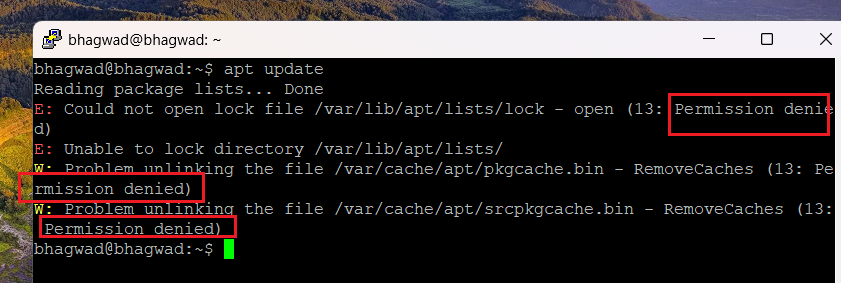
Many commands in Debian require elevated privileges. Something as simple as updating the system with: Generates the following message: Apt Update Permission Denied As...

Here's how to use the bash "source" command, what it means, and what are the various uses. It's also easy to use via an alias.
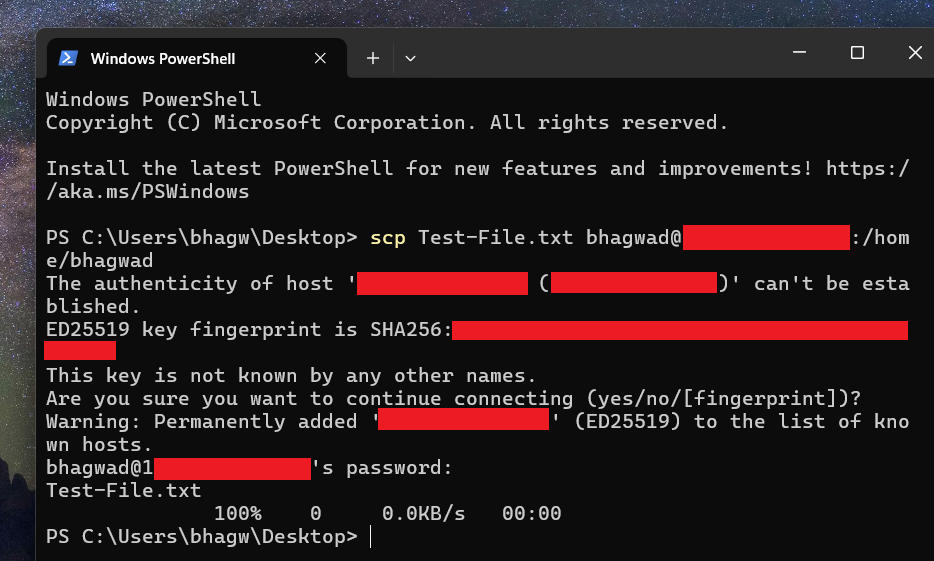
Here's how to use the SCP protocol on Windows to transfer files from your local computer to a remote server
Here's what the "sleep" command does in the bash environment, and how to use it to delay execution or implement code to retry scripts.

A "502 Bad Gateway" Error in NGINX indicates that something went wrong when the proxy server received a response. Here's what it means.

Learn everything you need to know for how to use the nohup command in Linux, as well as various scenarios in which it makes sense to use it.

Pip is the package management solution for Python. Here's how to install it, what makes it so useful, along with the basic usage.

Check out our guide on how to merge a git branch to the master branch, as well as some assumptions and considerations.
Get new NameHero guides and first word on sales like the Pre-Black Friday event, straight to your inbox.