
How To Mimic The “foreach” Statement In Bash
Let's walk through how the foreach statement is used in various languages, and how we can make something similar in bash.
Bhagwad Park writes for the NameHero blog.

Let's walk through how the foreach statement is used in various languages, and how we can make something similar in bash.

Here's how to install nslookup on Ubuntu, along with some alternatives and use cases for what makes nslookup so useful.
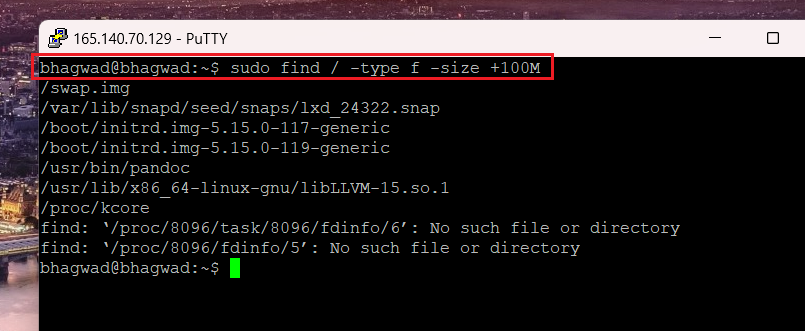
Here's how to find large files in Linux. It's useful for managing storage and optimizing system performance. Here are some useful options.

The gunzip command is used to decompress files in Linux. Compared to other tools like gzip and tar, there are a few crucial differences.
Here's how to mount an ISO file in Linux, and why you'd want to do so. I'll also show you how to create ISO files for later use.
Pkill is a versatile tool for process management in Linux. Unlike the "kill" command, pkill is more useful on a day-to-day basis.

Normally, the "cp" command in Linux copies over files as well as directories. Here's how to omit either specific directories, or all of them.
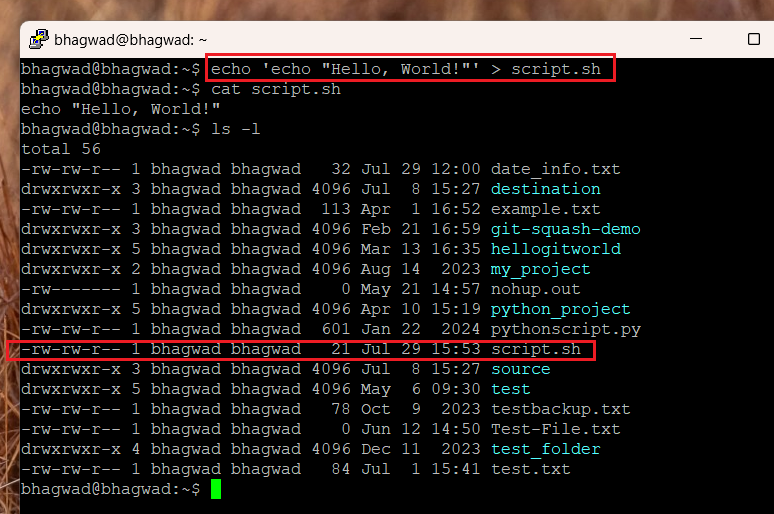
Here's what you need to do to run .sh files on Linux. To run a shell script, you need to have the right permissions, otherwise it won't work.

You can restart Apache on Linux either gracefully, or via a hard reset. Here's how to do both, and the why it might be necessary.
Clearing the terminal in Linux and Windows is easy - it's one of the first commands that newbies learn. But there's more than meets the eye.
Get new NameHero guides and first word on sales like the Pre-Black Friday event, straight to your inbox.