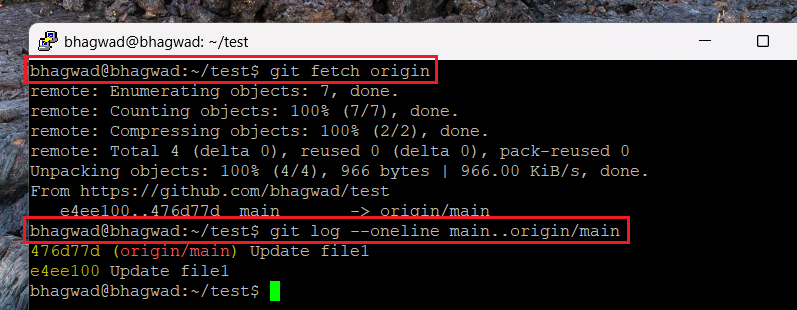
How to Use Git Fetch and What Makes it Special?
Git fetch is a variation of the "git pull" command. But instead of instantly merging the changes, you get a chance to review them first.
Bhagwad Park writes for the NameHero blog.

Git fetch is a variation of the "git pull" command. But instead of instantly merging the changes, you get a chance to review them first.
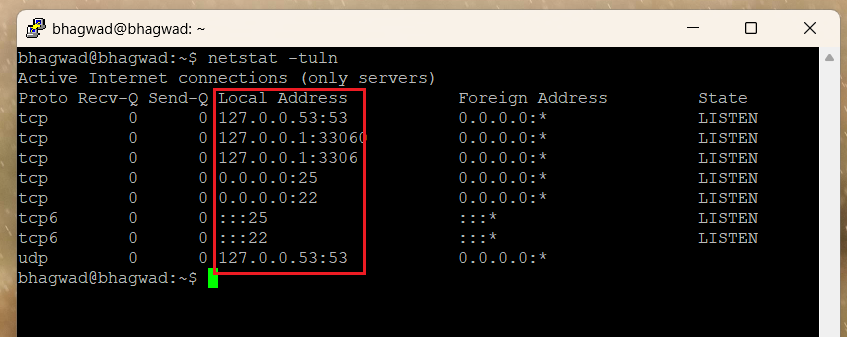
Here are all the ways to check open ports in Linux, as well as an explanation of why it's important to track open ports.
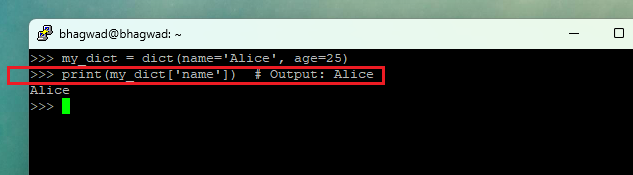
Here's how to initialize a dictionary in Python, along with an explanation of what dictionaries are, and how to use them.
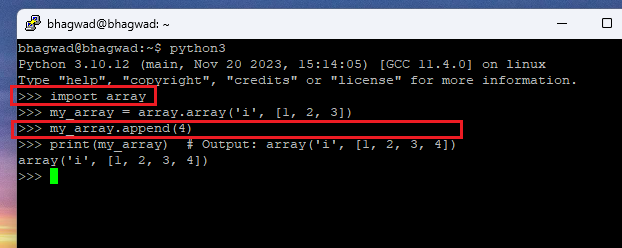
Here's how to append an item to a Python array, along with an explanation of the differences between an array and a list
The "cat" linux command is frequently used to quickly view the contents of a file without opening a separate program. Here's how to use it.
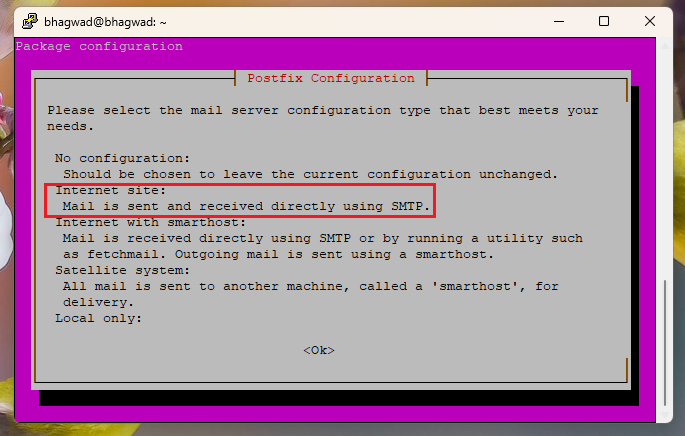
The Linux mail command is a versatile and flexible tool. Here's how to install it with basic configuration, and use it.
You don't always have to commit your git changes to the same branch. Here's how to use git to push to a different remote branch.

In this article, I'll explain how to both checkout a git tag as well as how to clone it, both with and without the history leading up to it.

Grub rescue is the Linux screen you hope you never see. Here is what it is, and what can cause it. It's best to be prepared!

In this guide, I'll explain what .bashrc is, and how you can use it to vastly improve your Linux experience.
Get new NameHero guides and first word on sales like the Pre-Black Friday event, straight to your inbox.