
How to Use the Awk “If Else” Statement
The awk "if-else" statement is used in Linux to process text files line by line in a conditional manner. Here's how to do it.
Bhagwad Park writes for the NameHero blog.

The awk "if-else" statement is used in Linux to process text files line by line in a conditional manner. Here's how to do it.

When you clone a repo, you inherit the remote repository as the origin. Here's how to remove it and replace it with something else.

A SIGSEGV error is an error that the hardware throws to the operating system when a process attempts to access memory it shouldn't.
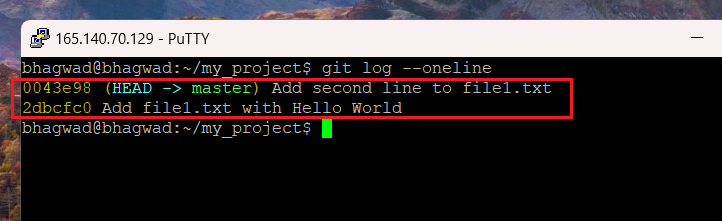
By resetting the last commit in git, you can undo the latest changes. This allows you to make some changes to and commit them again.

Redirecting stderr to stdout is a common procedure in Linux to help with the debugging of scripts and commands. Here's how to do it.

In Linux, you can bunch users into groups and manage their access to resources collectively. This helps with managing permissions.

If you use the bash heredoc syntax, you can input large amounts of text with no need to escape special characters. Here's how to use it.

The "find" command in Linux is one of the most common commands, and using it is easy. However, there are a few twists to be aware of.

The speed of /dev/shm makes it viable for a variety of use case but first, let's see how it works in its raw form.

The error "the following packages have been kept back" occurs when Ubuntu is unable to upgrade packages for various reasons.
Get new NameHero guides and first word on sales like the Pre-Black Friday event, straight to your inbox.